
Civics Lesson
GRADE LEVEL: High School How is Dialogue Different than Debate?
Technology is enabling students to be increasingly aware of news and current events. Along with this increased awareness, we see more and more students becoming actively engaged in conversations around hot-button topics. While students often talk in digital spaces about current events that concern them, they also continue the conversation in person. When disagreements happen in those conversations, what…
Civics Lesson
GRADE LEVEL: High School What Needs to Change to Increase Voter Turnout?
After every election, regardless of the outcome, people wonder how many people showed up at the polls to vote. The number is never as high as people would like, especially during midterm elections. In the 2016 Presidential election, 60.1% of the population eligible to vote showed up to the polls. During the midterm elections in 2018, only 50.3% of those eligible voted. While thousands of dollars…
The Power of Poetry to Teach about Identity, Bias and Social Justice
Tools and Strategies
April is National Poetry Month
National Poetry Month provides an opportunity for many schools and classrooms to dedicate time to the study of reading and writing poetry.
Poetry uses vivid and descriptive language, beautiful imagery, unique sounds and rhythms, and diverse voices. It often evokes an emotional and empathetic response and can open doors to people and worlds for which we are unfamiliar. It can touch hearts and minds and motivate action and societal…
Civics Lesson
GRADE LEVEL: High School How Were Youth Involved in the Civil Rights Movement?
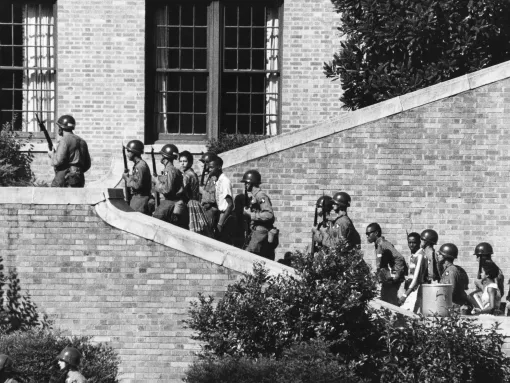
Throughout history, young people have stepped up and into leadership roles during different civil rights and social movements. This was never more evident than in the Civil Rights Movement, where young people were on the frontlines of the Montgomery bus boycotts, Freedom Rides and sit-ins. Given that student activism is on the rise again across the U.S., understanding how those young voices…
Civics Lesson
GRADE LEVEL: High School What is My Role in Creating and Participating in a Brave Space for Myself and Others?Educators want a welcoming classroom where every student feels appreciated, supported and able to express their ideas. While creating a safe space has been the focus for a long time, we are now calling on educators and students to create “brave spaces.” These are spaces where everyone feels that they can contribute, that they will be heard and they…
A Guide for Responding to School-Based Bias Incidents
Tools and Strategies
Is your school experiencing a bias or hate incident?Whether it be a racist “joke,” slur, stereotype or some other form of implicit or explicit bias, school community members must be committed to addressing bias-related incidents in schools. Educators and school administrators play vital roles in creating an environment where all students can learn and thrive. Cultivating an equitable and inclusive school community requires ensuring that historically marginalized students are…
Civics Lesson
GRADE LEVEL: High School What is Bias? What is Implicit Bias?In What Ways Could Bias Have an Impact on Your Civic Participation? The U.S. Constitution embodies ideals of equal opportunity and fair treatment for all and is reinforced by laws like the Civil Rights Act and Title IX. Yet, marginalized people who have experienced discrimination and unfair treatment historically, continue to do so in the present day. The stories in the news and social media seem to…
Civics Lesson
GRADE LEVEL: High School Which Form of Government Has the Most Power?
What are the Differences in Power Between Each Form of Government?
Which Form of Government Has the Most Power to Address Equity and Social Justice Issues?
Aside from the separation of powers at the federal level, the U.S. Constitution also describes the power relationships between state and federal governments, how that power will be distributed, and the relationships between the…
Civics Lesson
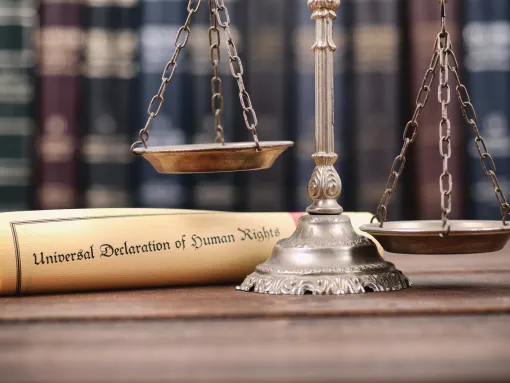
GRADE LEVEL: High School What are Human Rights?
What is the Universal Declaration of Human Rights?
In 1946, in the immediate aftermath of World War II, with hopes of preventing future atrocities, an international committee with varied legal and cultural backgrounds began to draft the Universal Declaration of Human Rights (UDHR). The UDHR was proclaimed by the new United Nations General Assembly in 1948. This document contains 30 Articles that set a standard…
Empowering Young People in the Aftermath of Hate (In English and Español)
Tools and Strategies
What Educators and Family Members Can DoToday, local, national or international tragedies happen so frequently that they can feel almost commonplace. When a hate crime, mass shooting, act of terrorism or other terrible and hate-inspired event occurs, one of the first questions many people ask is, what should we tell the children? How can we explain to them what has happened? Despite our best efforts to protect youth from the details of hate-motivated events, we can never assume that they are…
Civics Lesson
GRADE LEVEL: High School What is a Government?
What are Different Forms of Government?
What is My Relationship to Government?
Governments, and the act of governing, have been part of human society for thousands of years. Governments have shifted and changed in the way they represent, operate and control, but one thing remains the same: they are created to organize groups of people and provide structure and accountability. Understanding the concept of…
Civics Lesson
GRADE LEVEL: High School How Do I Write a Bill?
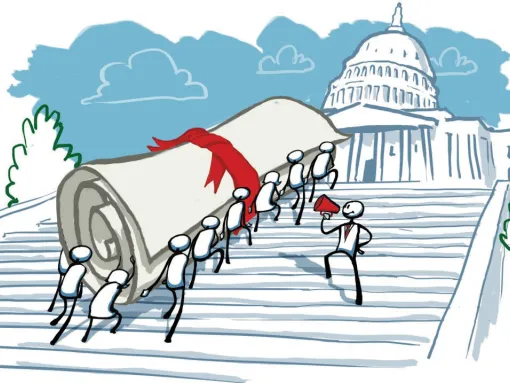
When a change in the law is desired, whether at the community, state, or national level, people need to understand the processes of making that desired change, a bill, into a law. Submitting a bill for consideration by the legislature involves writing, revising and sharing bills with a focus on passing them in a Senate hearing.
About the Lesson Plan
In this lesson, students will brainstorm to identify changes they…
Civics Lesson
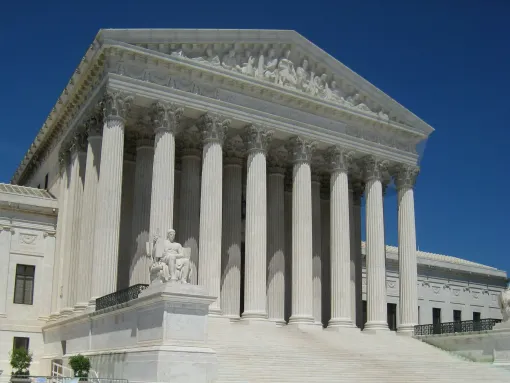
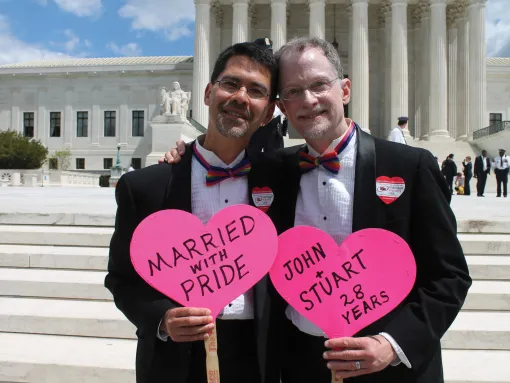
GRADE LEVEL: High School What Were the Multiple Perspectives of the Justices of the U.S. Supreme Court Based on During the Repeal of DOMA?
According to the Supreme Court Decision, Who Has the Right to Marry?
What Assurances Do We Have that the Justices of the U.S. Supreme Court are Able to Be Non-partisan and Avoid Bias When Deciding a Case?
The Judicial branch of the U.S. government is headed by the Supreme Court. This court analyzes and judges cases…
What is the Electoral College and Why Is it Controversial?
Tools and Strategies
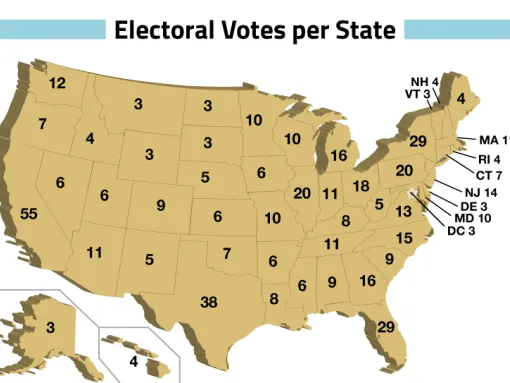
Table Talk: Family Conversations about Current EventsThe Electoral College is an election topic that inspires confusion, controversy and conflict. Many people know that the Electoral College is part of the Presidential election process but may be unsure about its importance and how it works. In the early days of our country’s formation, deciding on the process for electing a U.S. President was a controversial topic. Some suggested that Congress should choose the President. Others…
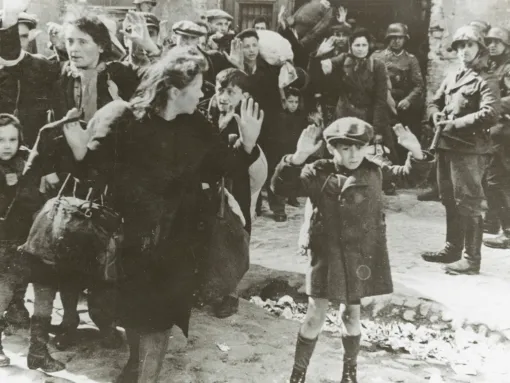
Echoes & Reflections is dedicated to reshaping the way that teachers and students understand, process and navigate the world through the events of the Holocaust. They partner with educators to help them introduce students to the complex themes of the Holocaust and to understand its lasting effect on the world. GRADE LEVEL: Middle School, High School COMMON CORE STANDARDS: Reading, Writing, Speaking and Listening This unit introduces students to the Holocaust by providing a…
Civics Lesson
GRADE LEVEL: High School What is the Difference Between a Bill and a Law?
What Bills Have Had Significant Impact on People in the United States?
Why Do Some Bills Pass into Law and Others Do Not?
In 1976, Schoolhouse Rock! released “I’m Just a Bill,” an animated video with a catchy tune that educated students around the U.S. about bills. Since then, music has changed, graphics in videos have changed but the actual process of becoming…
Civics Lesson
GRADE LEVEL: High School How Do Lobbyists Impact the Democratic Process?
What are Effective Ways of Lobbying?
How Might I Lobby for My Bill?
“Lobbying” is an effort by individuals and groups to influence government decisions and actions, and specifically the writing of laws. Lobbying can take different forms including writing letters, making phone calls to legislators and meeting with people in the administration. As student activism in…
National Hispanic Heritage Month: Ideas for Educators
Tools and Strategies
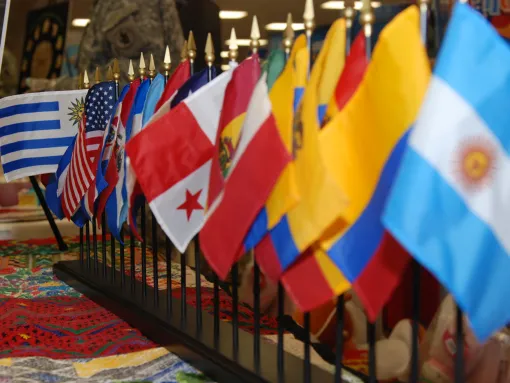
National Hispanic Heritage Month honors the achievements, contributions, culture, and history of Hispanic and Latin American people. The month-long celebration begins on September 15 commemorating the anniversary of independence for five Latin American countries: Costa Rica, El Salvador, Guatemala, Honduras, and Nicaragua. In addition, Mexico and Chile celebrate their independence days on September 16 and September 18, respectively. The 2025 theme for National Hispanic Heritage Month…
Echoes & Reflections
GRADE LEVEL: Middle School, High School
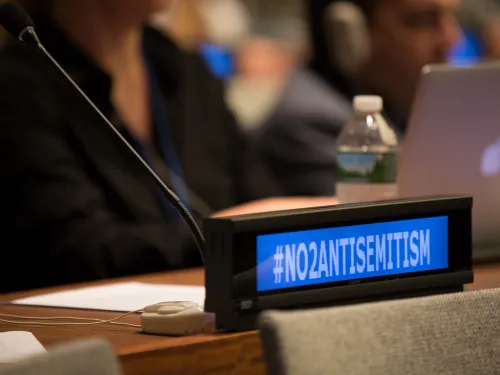
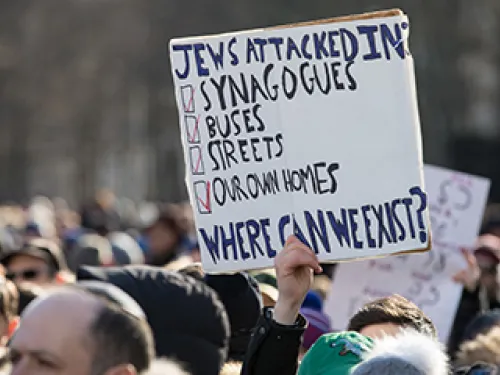
COMMON CORE STANDARDS: Reading, Writing, Speaking and Listening In this unit, students learn about the origins of antisemitism and how this hatred was exploited by the Nazis during the 1920s and 1930s as part of their racist ideology. Students define the terms antisemitism and stereotype, review text and video sources, and create a timeline reflecting examples of antisemitism throughout history. Students will…