Advocating for Safe, Inclusive K-12 School Climates: Educator Guide
Tools and Strategies
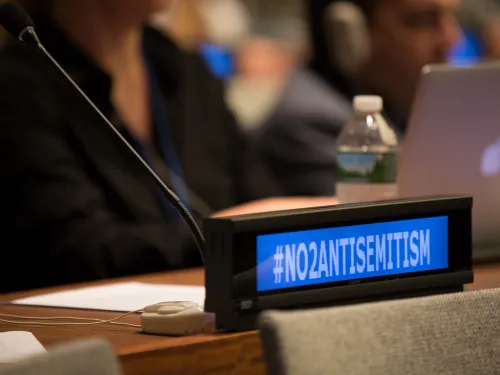
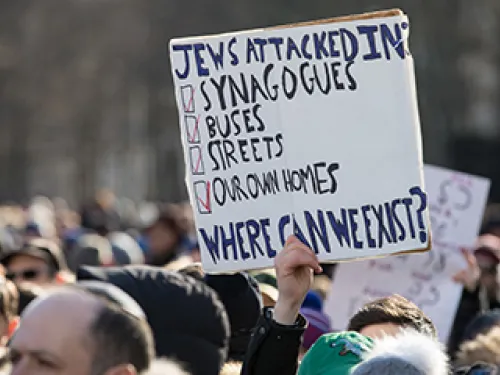
Empower K-12 educators to advocate against antisemitism from colleagues, unions, or students. Create safe, inclusive school climates through direct advocacy.
Identity-Based Bullying: Listening to Young People
Tools and Strategies
Table Talk: Family Conversations about Current EventsAll young people should be able to feel safe, included and respected in their classrooms and schools. Unfortunately, many do not. A recent study of high school students found that nearly four in ten students experienced identity-based bullying or bullying related to an aspect of their identity such as race, religion, sexual orientation, gender identity or physical appearance. How can we listen and learn from young people about…
Table Talk: Family Conversations about Current EventsYou may have heard about “swatting” because it's been in the news recently. What exactly is swatting? Why do people do it? Because young people are exposed to swatting online, on both mainstream websites and the “dark web” (i.e., hidden websites) and because some swatting incidents begin in online gaming or other digital platforms, it is an important topic to discuss with young people. Swatting is &ldquo…
Teach students what biased language is and help them reflect on the reasons why people use it and how they can address and challenge biased words and language.
When ‘Just Joking’ Is No Joke: How to Respond When Students’ ‘Jokes’ are Biased or Offensive
Tools and Strategies
There are many benefits of humor. A good joke can ease tension in a stressful situation. Humor can connect people and bring them together. Jokes can bring levity to a situation that begs for lightheartedness. Being funny can signal to others who you are. Humor can even open a conversation that previously felt closed or off-limits.
However, jokes and humor, when they target social identity groups, can do the opposite. They can make people feel unsafe, disconnected, excluded and…
Teach students about what gossip and rumors are and the impact they have on others, especially those identity groups which may be more vulnerable to and marginalized by rumors and gossip.
How A Texas Teen Turned Bias and Body-Shaming into Advocacy and Action
Article
Olivia Julianna (who uses only her first and middle name publicly to protect her privacy) has been an activist for several years, advocating voting rights and reproductive-health care. Like many in her generation, she found the political side of TikTok where young people post about important issues facing them. Olivia is involved with Gen-Z for Change, a nonprofit organization leveraging social media to promote civil discourse and political action on a variety of topics including…
9 Ideas for Teaching Asian American Pacific Islander Heritage Month
Lesson Plan
Use these activities to bring the history, culture and experience of the AAPI (Asian American Pacific Islander) people and community to your classroom.
The Horrific Mass Shooting in Buffalo: How to Talk with Young People
Article
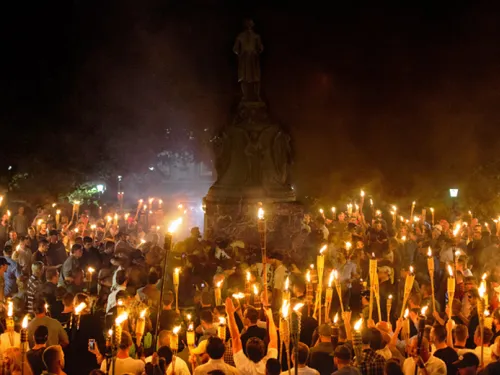
Another mass shooting has taken place, a violent massacre in which the shooter targeted a Black community after posting a white supremacist tract online that espoused virulently antisemitic and racist beliefs.
On May 14, 2022, a gunman entered a supermarket in a largely Black neighborhood in Buffalo, New York and shot thirteen people, killing ten people and injuring at least three others. Almost all of the victims are Black. The gunman was identified by law enforcement as eighteen…
Use the short evocative videos and films in this lesson plan to engage young people in conversations about identity, diversity, bias and social justice.