





A data-driven look at anti-Jewish bias, attitudes towards Israel, and campus climate, with implications for universities and institutional action.
34 Results
ProgramsUniversities increasingly rely on trainings for students, staff, faculty and administrators to address antisemitism and related forms of bias on campus. Whether a program is developed internally or delivered by an external provider, institutions benefit from taking a thoughtful, structured approach to reviewing content, pedagogy, and alignment with institutional values. The questions below are designed to support universities in evaluating whether a training is factually accurate,…
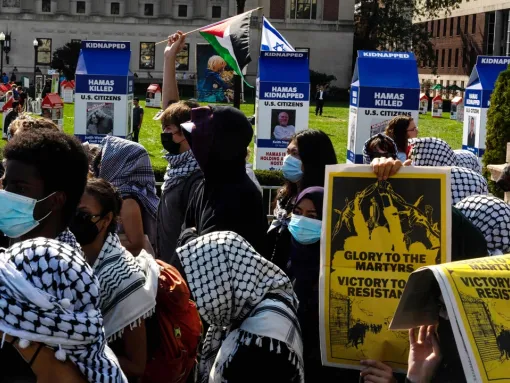
ADL examined the strategic evolution of anti-Israel activism on U.S. campuses and provides recommendations for universities to respond proactively to changing tactics.

Surveyed faculty report widespread antisemitism on campuses and in associations, with growing professional, emotional, and mental health impacts.

ADL’s RAI and CCAE found high rates of antisemitism in independent K-12 schools, especially within curricula, with insufficient response from administrators.
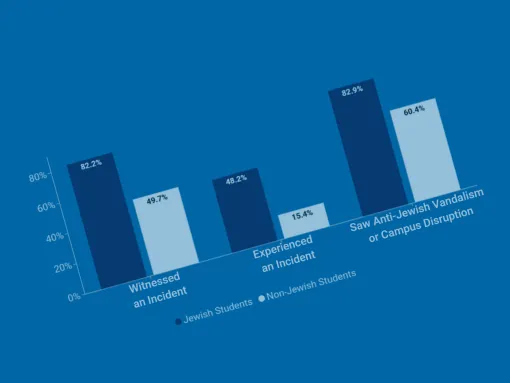
Most Jewish students face antisemitism; over 25% of Jewish students said they had observed anti-Jewish activity from faculty. Rates of self-censorship of Jewish identity and views of Israel remain high.
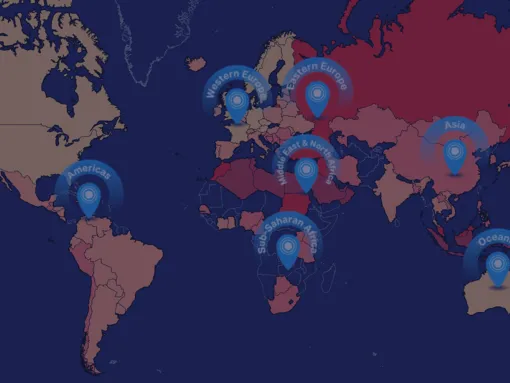
ADL's research and data on antisemitism provides a bridge between history, current events, and students' lived experiences. Explore the Global 100.

Don’t Feed the Lion: IntroductionDon’t Feed the Lion by Bianna Golodryga and Yonit Levi explores the story of antisemitism growing at Oakdale Middle School. The story begins with Theo Kaplan, a 13-year-old Chicago middle schooler and soccer captain. Theo’s world is turned upside down when his professional soccer idol, Wes Mitchell, makes an antisemitic comment that goes viral. The situation escalates when Theo discovers a swastika…

In a world that is increasingly connected through social media, educators often incorporate current events into instruction. While this is an important tool for educators to make learning feel relevant and current for students, it also must be done with thought and care. Many curriculum offerings claim to offer educators resources and guidance on integrating complex current events into their classrooms, like the Israeli-Palestinian conflict. Sometimes these offerings, while claiming to provide…

Teach for Liberation: Ida in the Middle UnitThrough books, educators are able to support students’ exploration of different points of view, experiences, places, time periods, etc. These are vital offerings in classroom instruction. Sometimes, however, unit plans that purport to offer educators guidance and nuance in presenting materials in their classrooms instead have inaccuracies, bias and misinformation. The guidance below demonstrates how unbalanced unit guides can be problematic…

Educators surveyed in a 2025 RAND study said that after school curricula and U.S. Holocaust Memorial Museum materials, YouTube is their most-used supplement for teaching the Holocaust and related Jewish topics. Although its videos are free and visually engaging, their quality varies; for example, Vox’s “The Israel-Palestine Conflict: A Brief, Simple History” can appear more reliable than it is. Vox itself is an American news and opinion website that leans towards the…

In recent years, the education landscape has changed dramatically. With the rise of AI platforms like ChatGPT and resource sharing hubs like Teachers Pay Teachers, there are many organizations and resources that claim to offer quality material—often at no cost. The rise of these platforms coincides with a change in trends for educators. According to a report from Education Week, the average teacher uses five supplemental resources and two core curricula sources. The report goes on…

Resources to facilitate thoughtful conversations with your students about antisemitism, current events and violence, and how we build more communities that stand up to hate.

Empower K-12 educators to advocate against antisemitism from colleagues, unions, or students. Create safe, inclusive school climates through direct advocacy.

Empower parents, caregivers and families of Jewish students with resources to proactively engage with school leaders and enhance student experiences.

Provides information about antisemitic bullying, how it takes places in schools and among young people and what educators can do.

The Anti-Bias Framework recognizes and builds an understanding of bias and takes steps to address it.

The Four Pillars of Challenging Antisemitism support learners in applying anti-bias skills and knowledge to antisemitism

This resource assists parents, families and caregivers when an antisemitic incident happens at school. It includes tools and guidance to support the young person and to help make the school safer and more inclusive for Jewish and all children.

ADL is addressing antisemitism through advocacy and education to help Jewish students, teachers and allies feel safe in the classroom. Explore the toolkits now!