Conversations that Matter: Understanding and Discussing Antisemitism with Young People
Tools and Strategies
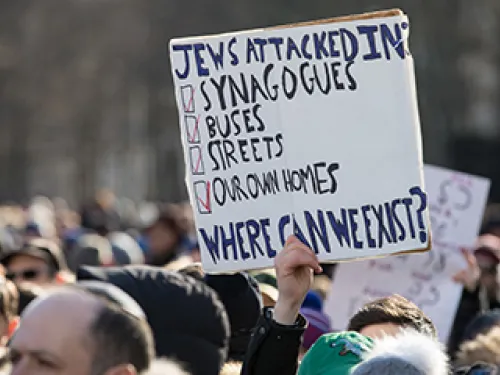
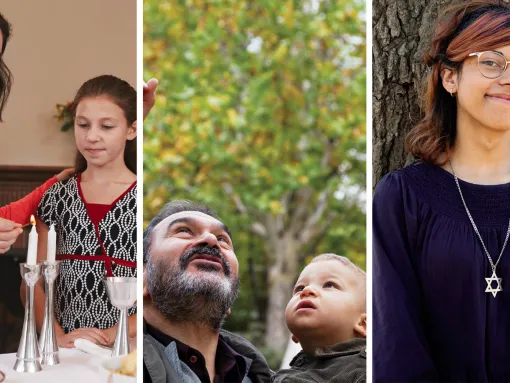
This resource assists parents, families and other trusted adults in understanding and helping the young people in their lives who are facing antisemitism—in school, online, in communities.
This discussion guide about the musical Parade will help middle and high school students and adults reflect upon and discuss the themes and artistic elements of Parade.
Civics Lesson
GRADE LEVEL: High School How Were Youth Involved in the Civil Rights Movement?
Throughout history, young people have stepped up and into leadership roles during different civil rights and social movements. This was never more evident than in the Civil Rights Movement, where young people were on the frontlines of the Montgomery bus boycotts, Freedom Rides and sit-ins. Given that student activism is on the rise again across the U.S., understanding how those young voices…
Echoes & Reflections
GRADE LEVEL: Middle School, High School
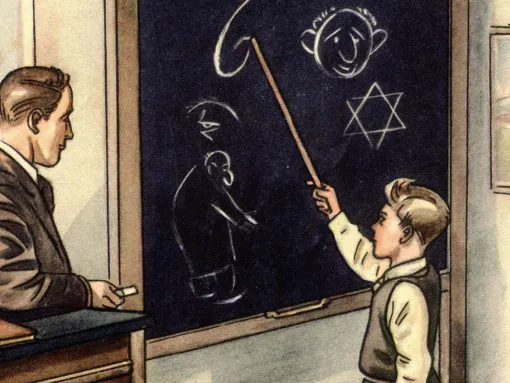
COMMON CORE STANDARDS: Reading, Writing, Speaking and Listening In this unit, students learn about the origins of antisemitism and how this hatred was exploited by the Nazis during the 1920s and 1930s as part of their racist ideology. Students define the terms antisemitism and stereotype, review text and video sources, and create a timeline reflecting examples of antisemitism throughout history. Students will…
Echoes & Reflections: Teaching the HolocaustGRADE LEVEL: Middle School, High School
COMMON CORE STANDARDS: Reading, Writing, Speaking and Listening, Language The lessons in this unit increase students’ understanding of Jewish people and awareness that antisemitism did not end after the Holocaust, and provide them with opportunities to learn about the persistence of antisemitism in its contemporary forms. Students investigate the ways in which old ideas about Jews and Judaism have…
Echoes & Reflections is dedicated to reshaping the way that teachers and students understand, process, and navigate the world through the events of the Holocaust. We partner with educators to help them introduce students to the complex themes of the Holocaust and to understand its lasting effect on the world. GRADE LEVEL: Middle School, High School COMMON CORE STANDARDS: Reading, Writing, Speaking and Listening This unit provides an opportunity for students to explore Jewish…
GRADE LEVEL: High School
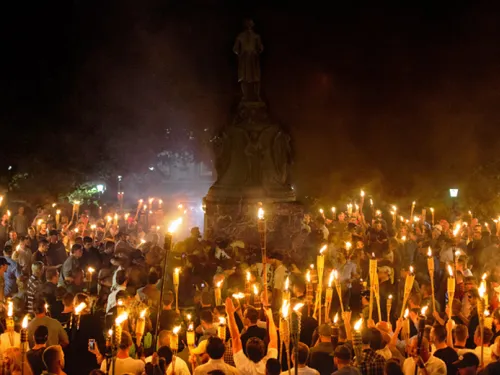
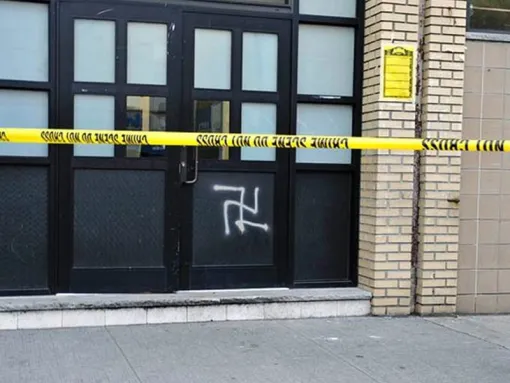
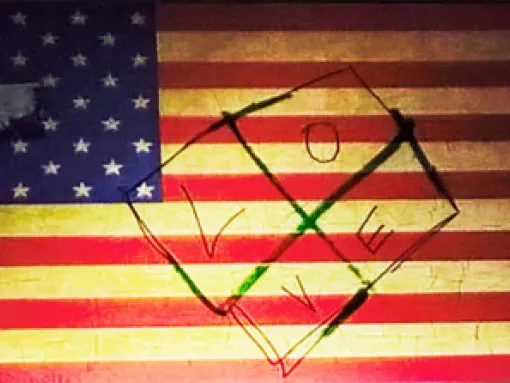
COMMON CORE STANDARDS: Reading, Writing, Language We see symbols every day in all aspects of our lives. Symbols are used to convey ideas, qualities, emotions, material objects/products, opinions and beliefs. Unfortunately, symbols are also used to convey hate and bias. Lately, we have seen a lot of hate symbol graffiti in public spaces and specifically the swastika, which in most circumstances is understood as an expression of antisemitism. There has reportedly…
Antisemitic Incidents: Being an Ally, Advocate and Activist
Lesson Plan
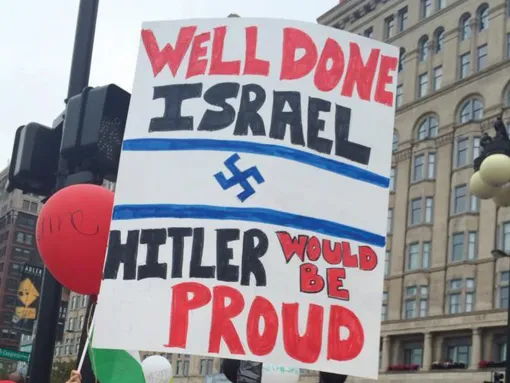
GRADE LEVEL: Middle School, High School COMMON CORE STANDARDS: Speaking and Listening, Language The surge of antisemitic incidents in the United States is alarming to many. Several reported incidents include graffiti using swastikas, bomb threats, vandalism and shootings, bomb threats targeting Jewish Community Centers (JCC) and Jewish institutions across the country. Over the past 10 years, ADL has recorded a record number of antisemitic incidents across the U.S. Since 2015,…
The Resilience of Antisemitism: The Lies of The Protocols of The Elders of Zion
Lesson Plan
GRADE LEVEL: High School
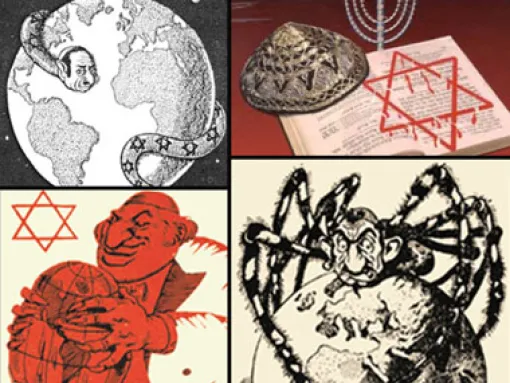
COMMON CORE STANDARDS: Reading, Writing, Speaking and Listening, Language Since its contrivance at the turn of the twentieth century by the Russian secret police, The Protocols of the Learned Elders of Zion (or The Protocols of the Elders of Zion) has taken root in bigoted and uneducated minds around the world. The booklet’s twenty-four sections spell out the alleged confidential plans of a Jewish conclave seeking to attain world domination. They represent…
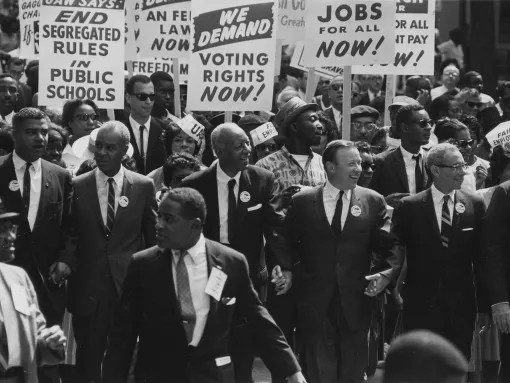
The Civil Rights Movement of the 1950’s and 1960’s came about out of the need and desire for equality and freedom for African Americans and other people of color. Nearly one hundred years after slavery was abolished, there was widespread segregation, discrimination, disenfranchisement and racially motivated violence that permeated all personal and structural aspects of life for black people. “Jim Crow” laws at the local and state levels barred African Americans from…
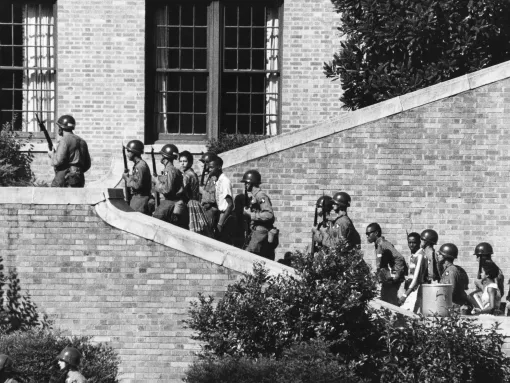
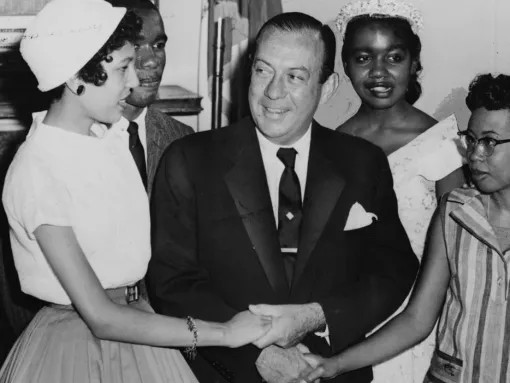
Minnijean Brown, Elizabeth Eckford, Carlotta Walls, Mayor Wagner, Thelma Mothershed, Gloria Ray, Terrance Roberts, Ernest Green, Melba Pattilo, Jefferson Thomas.
On September 23, 1957 in Little Rock, Arkansas, these nine African-American students quietly slipped into Central High School through the side door with the assistance of the city’s police, while an angry white mob numbering 1,000 swarmed the front of the school to await their arrival. Upon learning of their entry, the…
The Civil Rights Act of 1964 was signed into law by President Lyndon Johnson on July 2, 1964. The Act prohibited discrimination in public places, provided for the integration of schools and other public facilities and made employment discrimination illegal based on race, color, religion, sex or national origin. The document was the most sweeping civil rights legislation since Reconstruction. As we commemorate the anniversary of the Civil Rights Act, we have an opportunity to teach and learn…