Back to School is a busy time for all. Explore our resources for both educators and families to support creating classrooms where all students can thrive.
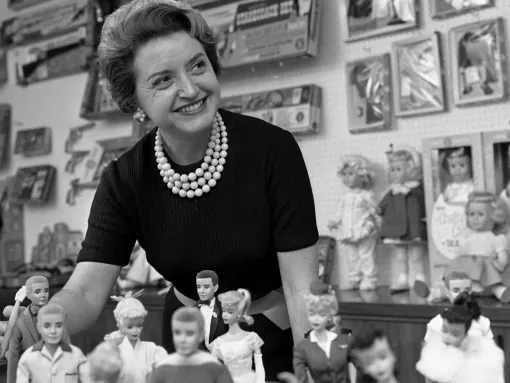
Teach students about this history of Barbie, reflect on their own experiences with Barbie and consider what identity groups may be missing from Barbie's collection.
Teach students about data from Pew's survey about teens and social media, help them reflect on their own social media use and explore how race, gender and socioeconomic status impact online use.
Crisis, Controversy and Activism: Tips and Guidance for K-12 Schools
Tools and Strategies
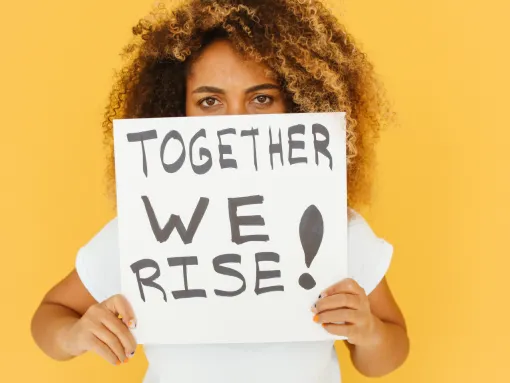
Tips and guidance for helping K-12 schools encourage students to become civically engaged, provide safety and protection for all students, and adhere to students’ First Amendment rights.
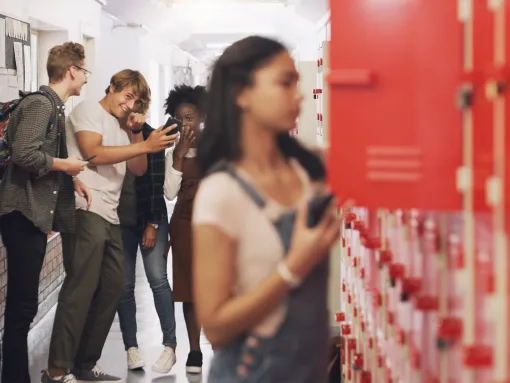
Teach students about what gossip and rumors are and the impact they have on others, especially those identity groups which may be more vulnerable to and marginalized by rumors and gossip.
How A Texas Teen Turned Bias and Body-Shaming into Advocacy and Action
Article
Olivia Julianna (who uses only her first and middle name publicly to protect her privacy) has been an activist for several years, advocating voting rights and reproductive-health care. Like many in her generation, she found the political side of TikTok where young people post about important issues facing them. Olivia is involved with Gen-Z for Change, a nonprofit organization leveraging social media to promote civil discourse and political action on a variety of topics including…
9 Ideas for Teaching Asian American Pacific Islander Heritage Month
Lesson Plan
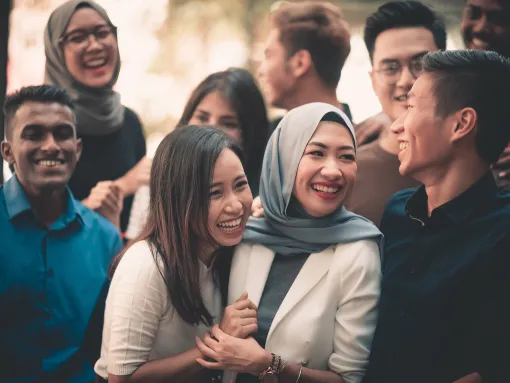
Use these activities to bring the history, culture and experience of the AAPI (Asian American Pacific Islander) people and community to your classroom.
Use the short evocative videos and films in this lesson plan to engage young people in conversations about identity, diversity, bias and social justice.
Short Online Experience to Learn about this Core Topic For Educators | Middle School, High School
About the Mini-Lesson
Only a small portion of an iceberg can be seen above the waterline. Similarly, understanding someone's identity is limited by what we see on the surface. This mini lesson explores the concept of identity and the importance of going "below the waterline" to challenge and avoid stereotypes and identity-based bias.
ADL's mini-lessons are short, interactive, online…
GRADE LEVEL: Elementary School
COMMON CORE STANDARDS: Reading, Writing, Speaking and Listening, Language
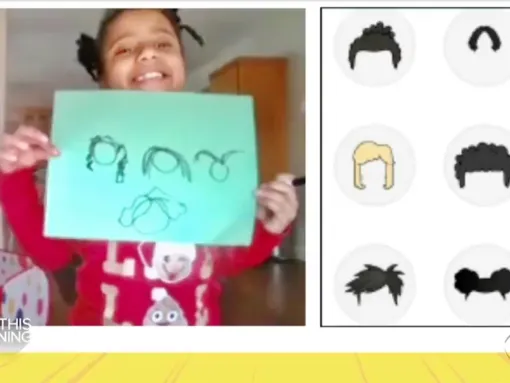
SEL STANDARDS*: Self-Awareness, Social Awareness, Relationship Skills, Responsible Decision-Making 7-Year-Old Morgan Bugg Advocates for More Diversity in Avatars
In April 2021, seven-year-old Morgan Bugg of Tennessee was using an educational gaming app called Freckle, which is used by more than 900,000 teachers in the U.S. This app gives students a chance to win coins while…
Civics Lesson
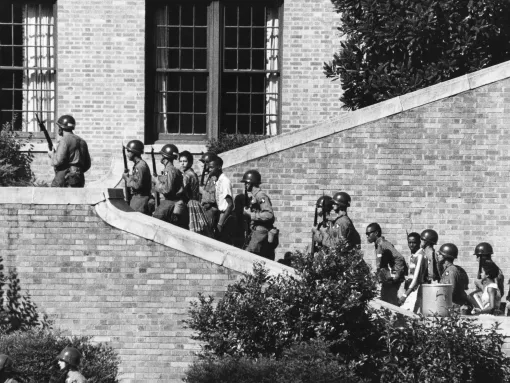
GRADE LEVEL: High School How Were Youth Involved in the Civil Rights Movement?
Throughout history, young people have stepped up and into leadership roles during different civil rights and social movements. This was never more evident than in the Civil Rights Movement, where young people were on the frontlines of the Montgomery bus boycotts, Freedom Rides and sit-ins. Given that student activism is on the rise again across the U.S., understanding how those young voices…
Civics Lesson
GRADE LEVEL: High School What are Human Rights?
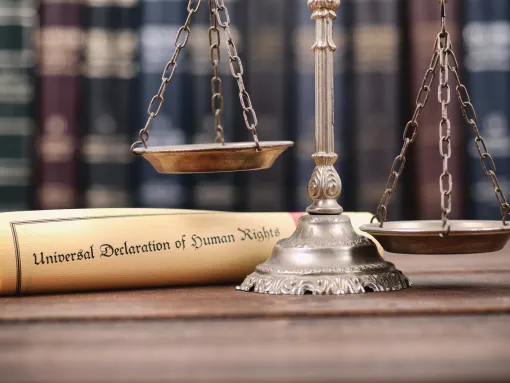
What is the Universal Declaration of Human Rights?
In 1946, in the immediate aftermath of World War II, with hopes of preventing future atrocities, an international committee with varied legal and cultural backgrounds began to draft the Universal Declaration of Human Rights (UDHR). The UDHR was proclaimed by the new United Nations General Assembly in 1948. This document contains 30 Articles that set a standard…
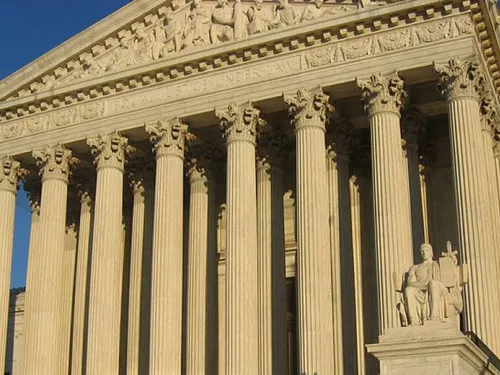
by: Libby Otto By mid-September, you’re busy with school, work and fall activities. Constitution Day, on September 17, may slip past you without a thought. So why should this year be any different?
Constitution Day is the anniversary of the day that the Founding Fathers signed the United States Constitution. As you reflect this year on how the current political climate and public policies impact millions of people, continue asking yourself: are you making a positive change to…
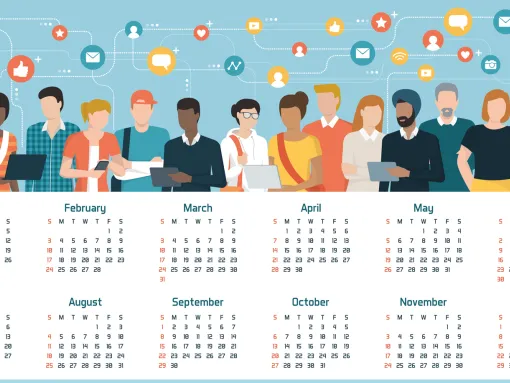
Increase your awareness of religious obligations and ethnic and cultural festivities that may affect students, colleagues and neighbors in your community.