Identity-Based Bullying: Listening to Young People
Tools and Strategies
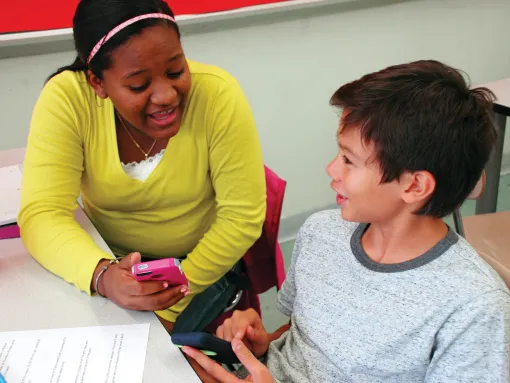
Table Talk: Family Conversations about Current EventsAll young people should be able to feel safe, included and respected in their classrooms and schools. Unfortunately, many do not. A recent study of high school students found that nearly four in ten students experienced identity-based bullying or bullying related to an aspect of their identity such as race, religion, sexual orientation, gender identity or physical appearance. How can we listen and learn from young people about…
This discussion guide about the musical Parade will help middle and high school students and adults reflect upon and discuss the themes and artistic elements of Parade.
Teach students about what gossip and rumors are and the impact they have on others, especially those identity groups which may be more vulnerable to and marginalized by rumors and gossip.
For Educators | For Parents, Families, and Caregivers | For Students Here are some simple things you can do to be an ally to targets of name-calling and bullying. And remember—always think about your safety first when deciding the best way to respond. 1. Support targets, whether you know them or not.Show compassion and encouragement to those who are the targets of bullying behavior by asking if they’re okay, going with them to get help and letting them know you are there for them…
9 Ideas for Teaching Asian American Pacific Islander Heritage Month
Lesson Plan
Use these activities to bring the history, culture and experience of the AAPI (Asian American Pacific Islander) people and community to your classroom.
Use the short evocative videos and films in this lesson plan to engage young people in conversations about identity, diversity, bias and social justice.
Echoes & Reflections
GRADE LEVEL: Middle School, High School
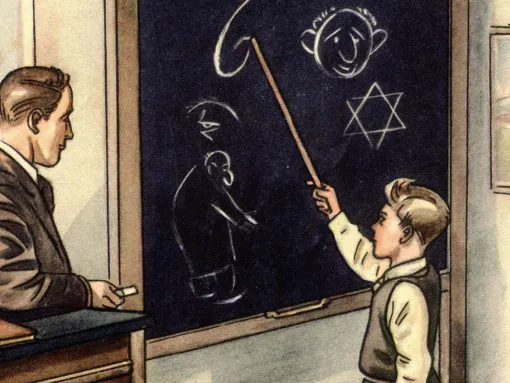
COMMON CORE STANDARDS: Reading, Writing, Speaking and Listening In this unit, students learn about the origins of antisemitism and how this hatred was exploited by the Nazis during the 1920s and 1930s as part of their racist ideology. Students define the terms antisemitism and stereotype, review text and video sources, and create a timeline reflecting examples of antisemitism throughout history. Students will…
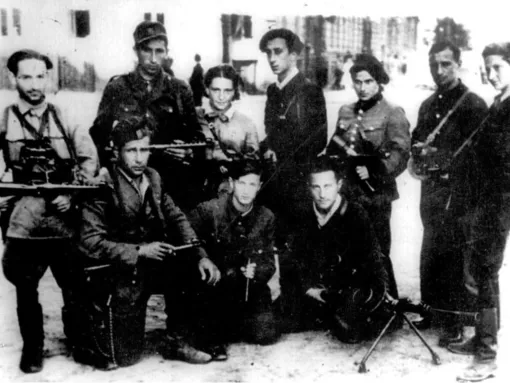
Echoes & Reflections: Teaching the HolocaustGRADE LEVEL: Middle School, High School
COMMON CORE STANDARDS: Reading, Writing, Speaking and Listening, Language The lessons in this unit increase students’ understanding of Jewish people and awareness that antisemitism did not end after the Holocaust, and provide them with opportunities to learn about the persistence of antisemitism in its contemporary forms. Students investigate the ways in which old ideas about Jews and Judaism have…
Echoes & Reflections is dedicated to reshaping the way that teachers and students understand, process, and navigate the world through the events of the Holocaust. We partner with educators to help them introduce students to the complex themes of the Holocaust and to understand its lasting effect on the world. GRADE LEVEL: Middle School, High School COMMON CORE STANDARDS: Reading, Writing, Speaking and Listening This unit provides an opportunity for students to explore Jewish…
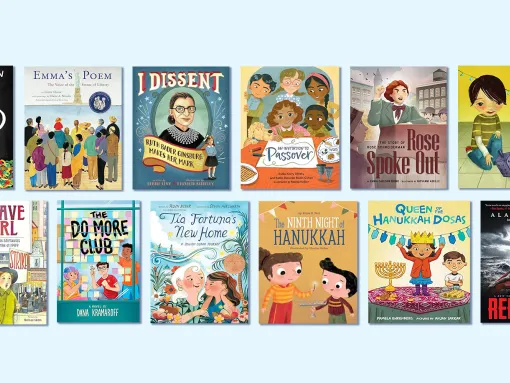
Important Books to Explore Bullying and Ally Behavior
Tools and Strategies
While bullying is still a problem in schools, the intersection of bias and bullying can be particularly harmful. Identity-based bullying is when a person is targeted based on an essential part of their identity (e.g., race, immigration status, sexual orientation, religion, or gender identity). It is common in schools and not only impacts the targeted person but everyone else around them that shares their identity. Identity-based bullying can leave all students feeling unsafe and fearful that…
What Bullying Is and Is Not (In English and en Español)
Tools and Strategies
Table Talk: Family Conversations About Current EventsBullying is a phrase we hear regularly and often: in the media, on TV shows and movies, in schools and in conversations among both adults and children. Parents, students and schools are rightfully worried about bullying. It is a problem and cause for concern but may not be as widespread as many think because the term “bullying” is often used as an umbrella to describe all kinds of mean behavior—from a rude comment to a…
How Can I Use Books to Address Bullying Among Young Children?
Tools and Strategies
Early Childhood Question Corner For Educators | For Parents, Families, and Caregivers Children’s literature can be an effective tool for addressing the growing concerns about physical, verbal, and relational bullying in schools. Though bullying has been traditionally dismissed by some as “just a part of growing up,” most educators today understand that it is a pervasive problem with harmful and damaging effects on all members of the school community. The use of literature to…
Interview with Rosalind Wiseman, Bullying Prevention Specialist
Podcast
For Educators | For Parents, Families, and Caregivers Rosalind Wiseman talks about raising teenagers in a complex world, the role of social media and gaming, what teachers can do to engage students and how her own parenting informs her work. Rosalind Wiseman is a teacher, thought leader, author and media spokesperson on bullying prevention, ethical leadership, the use of social media and media literacy. She is the author of several books including Queen Bees and Wannabes: Helping Your Daughter…