Back to School is a busy time for all. Explore our resources for both educators and families to support creating classrooms where all students can thrive.
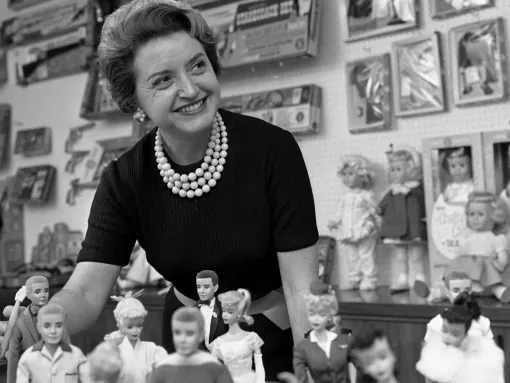
Teach students about this history of Barbie, reflect on their own experiences with Barbie and consider what identity groups may be missing from Barbie's collection.
Teach students about data from Pew's survey about teens and social media, help them reflect on their own social media use and explore how race, gender and socioeconomic status impact online use.
Empoderar a los niños y jóvenes tras un evento de odio
Tools and Strategies
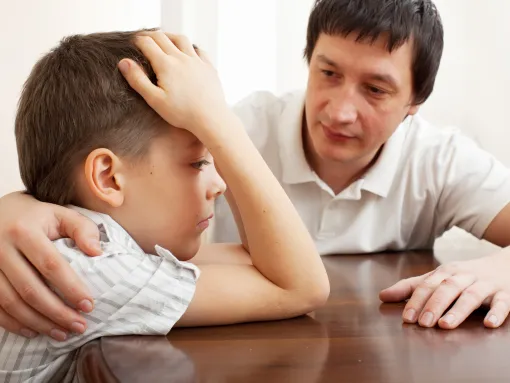
What Educators and Family Members Can DoToday, local, national or international tragedies happen so frequently that they can feel almost commonplace. When a hate crime, mass shooting, act of terrorism or other terrible and hate-inspired event occurs, one of the first questions many people ask is, what should we tell the children? How can we explain to them what has happened? Despite our best efforts to protect youth from the details of hate-motivated events, we can never assume that they are…
Teach students about what gossip and rumors are and the impact they have on others, especially those identity groups which may be more vulnerable to and marginalized by rumors and gossip.
9 Ideas for Teaching Asian American Pacific Islander Heritage Month
Lesson Plan
Use these activities to bring the history, culture and experience of the AAPI (Asian American Pacific Islander) people and community to your classroom.
Use the short evocative videos and films in this lesson plan to engage young people in conversations about identity, diversity, bias and social justice.
Short Online Experience to Learn about this Core Topic For Educators | Middle School, High School
About the Mini-Lesson
Only a small portion of an iceberg can be seen above the waterline. Similarly, understanding someone's identity is limited by what we see on the surface. This mini lesson explores the concept of identity and the importance of going "below the waterline" to challenge and avoid stereotypes and identity-based bias.
ADL's mini-lessons are short, interactive, online…
GRADE LEVEL: Elementary School
COMMON CORE STANDARDS: Reading, Writing, Speaking and Listening, Language
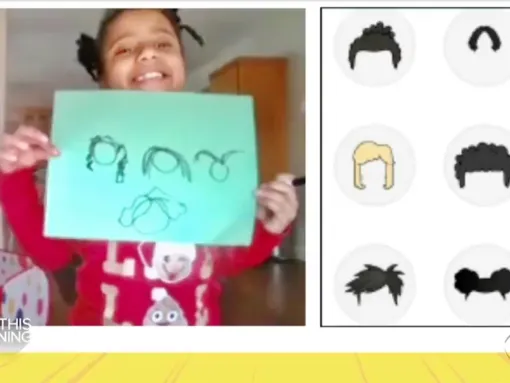
SEL STANDARDS*: Self-Awareness, Social Awareness, Relationship Skills, Responsible Decision-Making 7-Year-Old Morgan Bugg Advocates for More Diversity in Avatars
In April 2021, seven-year-old Morgan Bugg of Tennessee was using an educational gaming app called Freckle, which is used by more than 900,000 teachers in the U.S. This app gives students a chance to win coins while…
Empowering Young People in the Aftermath of Hate (In English and Español)
Tools and Strategies
What Educators and Family Members Can DoToday, local, national or international tragedies happen so frequently that they can feel almost commonplace. When a hate crime, mass shooting, act of terrorism or other terrible and hate-inspired event occurs, one of the first questions many people ask is, what should we tell the children? How can we explain to them what has happened? Despite our best efforts to protect youth from the details of hate-motivated events, we can never assume that they are…
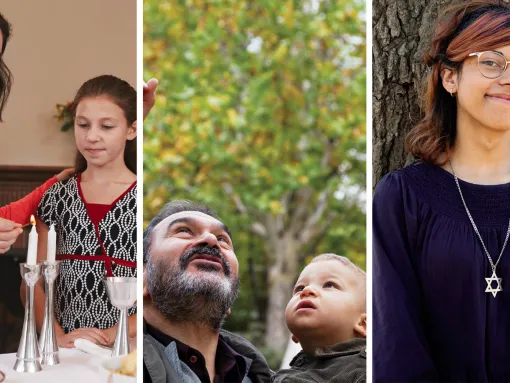
Increase your awareness of religious obligations and ethnic and cultural festivities that may affect students, colleagues and neighbors in your community.
GRADE LEVEL: Elementary School, Middle School, High School
COMMON CORE STANDARDS: Reading, Writing, Language, Speaking and Listening In commemoration of Women’s History Month, this resource helps educators engage students in thinking broadly and critically about the experience of women and gender in all of its complexity. In highlighting the significant events as well as people that have made a substantial contribution to women’s experience, instruction should…
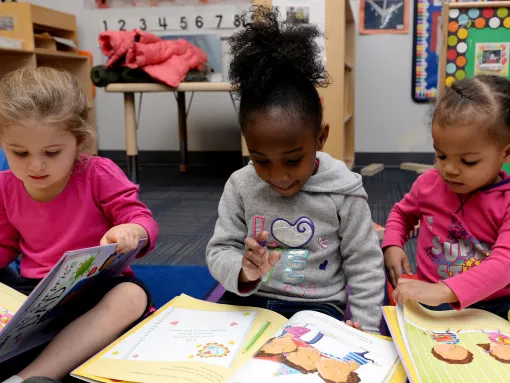
Early Childhood Question Corner For Educators | For Parents, Families, and Caregivers You can help children embrace differences by exposing them to diversity as early as possible. This can be a natural part of everyday living as children develop relationships outside their family. Answer children’s questions about differences openly and honestly as they come up, and if you don't know the answers, seek them out. Another way to ensure diversity in children’s lives is to…