


This parent/family discussion guide helps families engage in a discussion about the October 7, 2023 Hamas attack on Israel, its aftermath and how families can help.
Sport is the setting of some of humanity’s greatest stories. Through the perspective of athletes, teams, fans, coaches, and others, we experience narratives filled with emotions and learn life lessons, like the fulfillment of success and the devastation of failure. Some of these stories are as short as an afternoon, like a pickup basketball game with friends, while others are lifelong journeys, such as unwavering fandom for a favorite team or the privilege of competing on the world&rsquo…
This discussion guide about the musical Parade will help middle and high school students and adults reflect upon and discuss the themes and artistic elements of Parade.
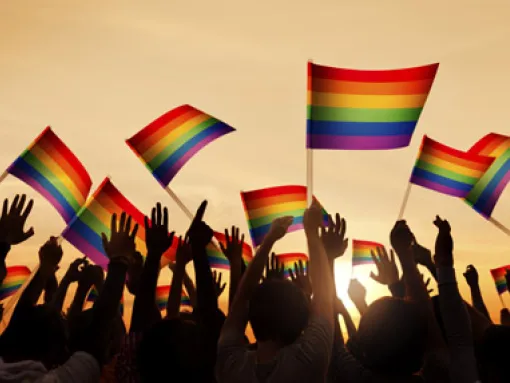
Commemorated each year in the month of June, LGBTQ+ Pride Month honors the 1969 Stonewall uprising in New York City. In June of 1969, patrons and supporters of the Stonewall Inn staged an uprising to resist the police harassment and persecution to which LGBTQ+ Americans were commonly subjected. This uprising marked the beginning of a movement to outlaw discriminatory laws and practices against LGBTQ+ Americans. Today, LGBTQ+ Pride Month celebrations include pride parades, picnics, parties,…
Ability, Disability and Ableism Educational Resources
Tools and Strategies
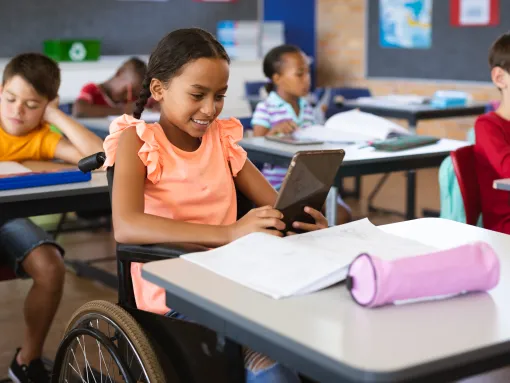
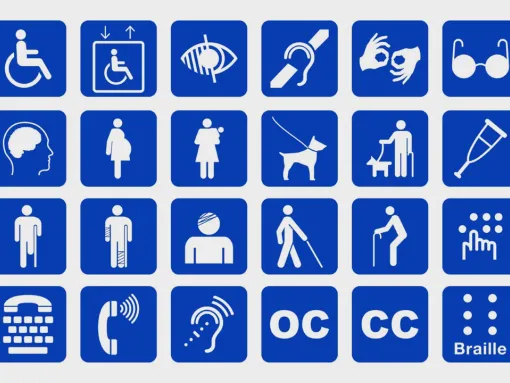
Explore with young people the experiences of people with disabilities, the bias and discrimination they face, and the struggle to continue fighting for their rights.
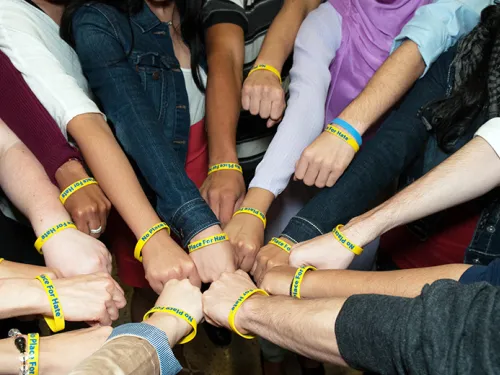
The Pyramid of Hate illustrates the prevalence of bias, hate and oppression in our society. It is organized in escalating levels of attitudes and behavior that grow in complexity from bottom to top. Like a pyramid, the upper levels are supported by the lower levels; unlike a pyramid, the levels are not built consecutively or to demonstrate a ranking of each level. Bias at each level reflects a system of oppression that negatively impacts individuals, institutions and society…
When ‘Just Joking’ Is No Joke: How to Respond When Students’ ‘Jokes’ are Biased or Offensive
Tools and Strategies
There are many benefits of humor. A good joke can ease tension in a stressful situation. Humor can connect people and bring them together. Jokes can bring levity to a situation that begs for lightheartedness. Being funny can signal to others who you are. Humor can even open a conversation that previously felt closed or off-limits.
However, jokes and humor, when they target social identity groups, can do the opposite. They can make people feel unsafe, disconnected, excluded and…
For Educators | For Parents, Families, and Caregivers | For Students Here are some simple things you can do to be an ally to targets of name-calling and bullying. And remember—always think about your safety first when deciding the best way to respond. 1. Support targets, whether you know them or not.Show compassion and encouragement to those who are the targets of bullying behavior by asking if they’re okay, going with them to get help and letting them know you are there for them…
How A Texas Teen Turned Bias and Body-Shaming into Advocacy and Action
Article
Olivia Julianna (who uses only her first and middle name publicly to protect her privacy) has been an activist for several years, advocating voting rights and reproductive-health care. Like many in her generation, she found the political side of TikTok where young people post about important issues facing them. Olivia is involved with Gen-Z for Change, a nonprofit organization leveraging social media to promote civil discourse and political action on a variety of topics including…
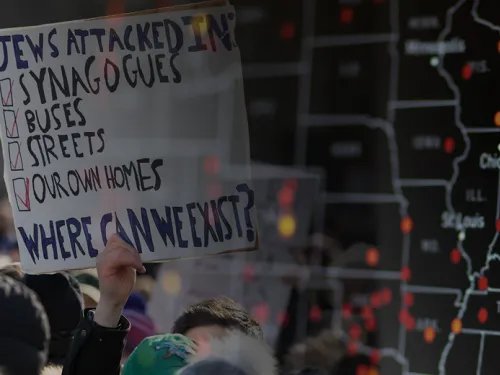
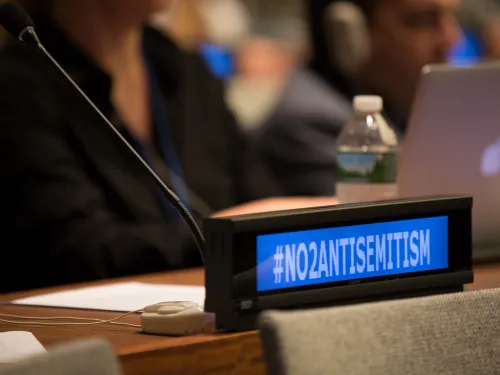
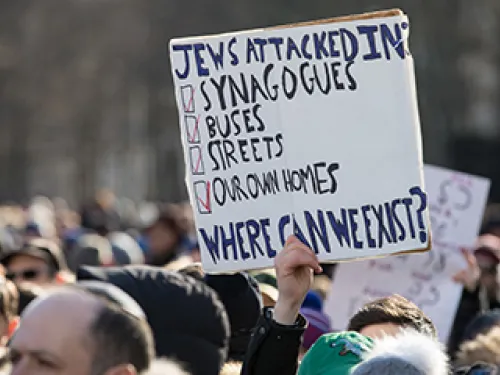
View this page in Spanish Antisemitism is a topic that has been in the news and is something important to explore and understand. From news stories about vandalism and hate crimes, to celebrities spewing frightening claims and vitriol about Jewish people, to the antisemitic tropes we see in our social media feeds — antisemitism is all around us. What is Antisemitism?Antisemitism refers to prejudice, discrimination, or hostility directed at Jewish people. It is generally based…
Helping Students Make Sense of News Stories about Bias and Injustice
Tools and Strategies
For Educators When there are national news stories that involve incidents of bias and injustice, young people want to be part of the conversation. Even at a young age, they hear adults talking about what’s happening, read about the story on social media or learn about it through television. Rather than protect children and youth from what’s going on in the world, there are age-appropriate and constructive ways to engage them in understanding the situation. Teachers…