


For Educators | For Parents, Families, and Caregivers Rosalind Wiseman talks about raising teenagers in a complex world, the role of social media and gaming, what teachers can do to engage students and how her own parenting informs her work. Rosalind Wiseman is a teacher, thought leader, author and media spokesperson on bullying prevention, ethical leadership, the use of social media and media literacy. She is the author of several books including Queen Bees and Wannabes: Helping Your Daughter…
123 Results

For Educators Our country has a long history of youth-led movements that brought about significant social change. Young people have advocated for child labor laws, voting rights, civil rights, school desegregation, immigration reform and LGBTQ+ rights. Through their actions, the world has changed. Because young people often have the desire, energy and idealism to do something about the injustice they see in the world, they are powerful agents for change. Our work in education helps…

Being able to have respectful and constructive conversations is the bedrock of any relationship—whether those connections take place at home, school, work or in communities. However, when controversy or conflict arises, the discussions can quickly become polarized, heated and personal, making it very difficult to have a conversation where different points of view are aired and discussed. These conversations can be about something controversial like politics, current events, moral…

Teachers may want to engage young people in conversations about presidential and other elections and provide opportunities for students to learn more, ask questions and understand what they see and hear. Below are tips and strategies for engaging in these potentially contentious conversations in the classroom and doing so with a critical thinking and anti-bias lens. These strategies can also be used with other controversial issues that arise in your classroom. It is critical that students…
Early Childhood Question Corner For Educators | For Parents, Families, and Caregivers You can help children embrace differences by exposing them to diversity as early as possible. This can be a natural part of everyday living as children develop relationships outside their family. Answer children’s questions about differences openly and honestly as they come up, and if you don't know the answers, seek them out. Another way to ensure diversity in children’s lives is to…
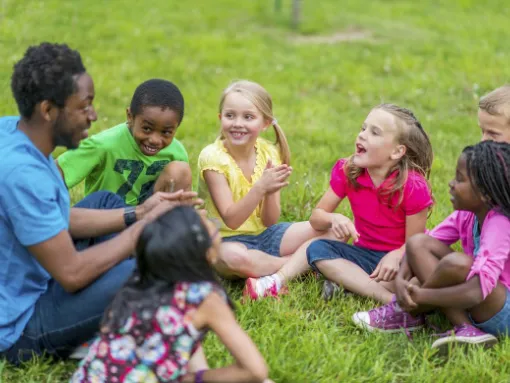
A Guide for Counselors and Camp Administrators For Educators | For Parents, Families, and Caregivers Summer camp is a wonderful time in children’s lives when they get to spend time outdoors, meet new people, have novel experiences and gain insight into themselves. There are about 12,000 day and resident camps in the U.S. and each year more than 11 million children and adults attend camp. According to an American Camp Association (ACA) report, parents cite the following reasons as the…
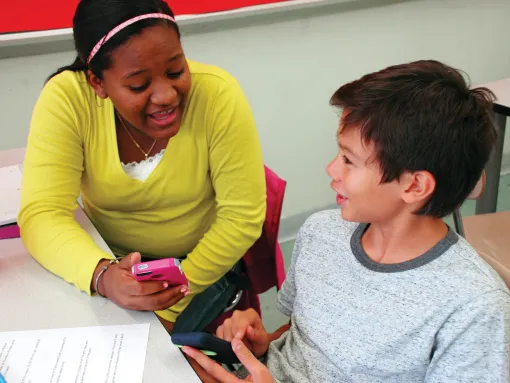
For Educators | For Parents, Families, and Caregivers | For Students Here are some simple things you can do to be an ally to targets of name-calling and bullying. And remember—always think about your safety first when deciding the best way to respond. 1. Support targets, whether you know them or not.Show compassion and encouragement to those who are the targets of bullying behavior by asking if they’re okay, going with them to get help and letting them know you are there for them…
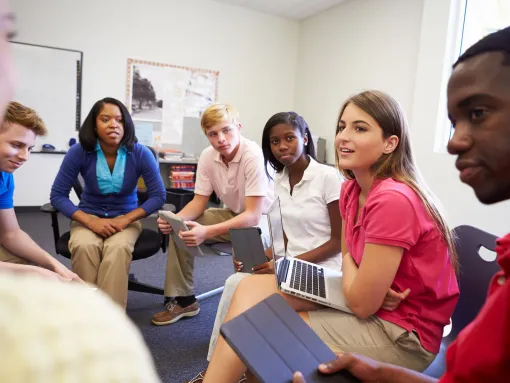
Young people are exposed to discussions of extremism every day through social media, news and overheard conversations between adults. As an educators, the topic can be challenging to teach because the situation is always changing and evolving and worse--classroom conversations can themselves lead to stereotyping, bias and bigotry when discussing perpetrators, targets and victims. The following resources will help you teach about extremism while ensuring that the…

Collection of educational resources for teaching about Black History Month

Para fomentar escuelas y aulas respetuosas, inclusivas y equitativas, es importante reconocer la lengua que hablan los alumnos y sus familias. Esas lenguas reflejan y afirman su origen étnico, su cultura y su herencia. Según datos recientes del Censo, 63,7 millones de personas (o el 19,1% del total de la población) que viven en Estados Unidos se identifican como hispanos/latinoamericanos. Además, la mayoría de los hispanos (75%) afirman ser capaces de…
Early Childhood Question Corner For Educators | For Parents, Families, and Caregivers Although children are not born with prejudice, by early childhood they have already acquired stereotypes or negative attitudes toward those that they perceive as “others.” An article in The Buffalo News reports that about 85 percent of the brain develops between ages 3 and 5, and that impressions and ideas formed between ages 2 and 4 are lasting (Lessons in Respect, 2003). Researchers tracking the…

Early Childhood Question Corner
Common themes appear in holidays and celebrations across many cultures. By connecting themes, as suggested in the Question Corner installment "How can I plan inclusive holiday celebrations?" you can show children that holidays and celebrations are an expression of cultural and religious pride, and help them understand the commonality of certain human feelings, celebrations and their meaning. For example, by trying the following activity, Looking…
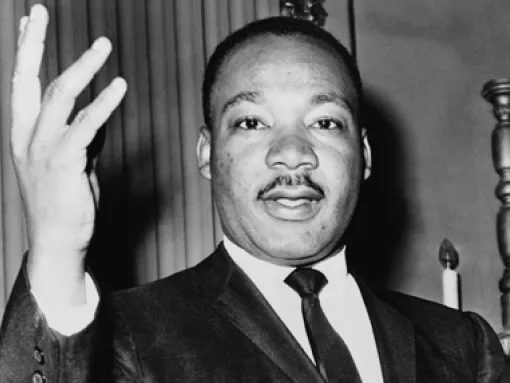
Martin Luther King, Jr. Day is Monday, January 16, and many educators will take the opportunity to teach about King and his enormous contributions to our society. As educators, how we approach the teaching of this holiday makes an impact on how students understand the larger context of the Civil Rights Movement and whether they make a connection between the past struggles to the current day and their own lives. Here are some thoughts about teaching the topic in a meaningful way…
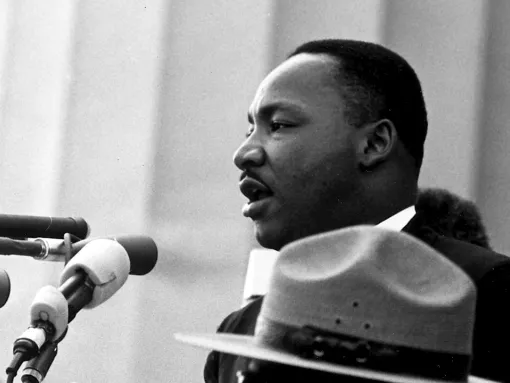
GRADE LEVEL: Elementary School, Middle School, High School
COMMON CORE STANDARDS: Reading, Writing, Speaking and Listening, History/Social Studies In commemoration of Martin Luther King, Jr. Day, this curriculum for grades 3–12 provides grade-specific lessons, resources and extension activities to provide your students opportunities to examine civil rights in the United States past and present. The lessons provide an opportunity for students to delve deeper into Martin Luther King Jr…
For Educators | For Parents, Families, and Caregivers Winter is a festive time of year because so many holidays are celebrated by people from different religions, cultures and races. We spend time with family and friends, connect with our faith or culture, give and receive gifts and enjoy special foods and treats. However, this time of year—especially in schools and whether it's in-person, online or hybrid—can be a time where some children can feel uncomfortable, excluded, insulted…
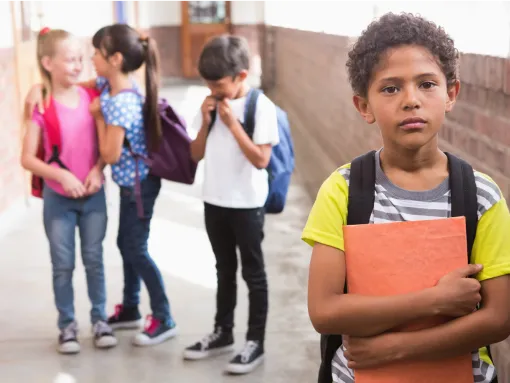
October is National Bullying Prevention Month
National Bullying Prevention Month is an opportunity to reflect on the classroom and school culture and assess the extent to which bullying is part of that culture. It is a time to examine best practices when it comes to creating respectful school environments that foster inclusion and respect. The large body of research on effective responses to name-calling and bullying concurs that schools and other educational institutions can best…

GRADE LEVEL: Elementary School
COMMON CORE STANDARDS: Reading, Writing, Language Using Poetry to Teach about Identity
Reading and writing poetry can provide an opening for young people to explore the various aspects of their identity, including their name, race and ethnicity, physical characteristics and more.
April is National Poetry Month, a good opportunity to explore poetry with your students. Because poetry does not require strict sentence structure or the usual grammar rules…

Teach and commemorate the culture, traditions and history of Asian American and Pacific Islander people in the United States in school, communities and at home.
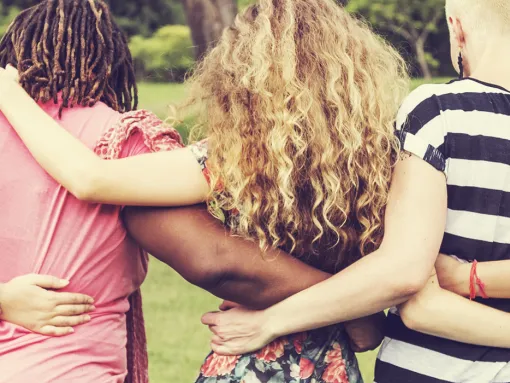
Use these resources to honor women around the world, explore women’s achievements and struggles throughout history, and acknowledge women’s contributions to our society.
On a daily basis—in the lunchroom, at the grocery store, in school hallways, in our political rhetoric and even at home—people hear and sometimes use words and phrases that demean, ridicule, offend or show ignorance about people from different groups and backgrounds. Regardless of whether the comments are deliberately malicious, said because the person lacks knowledge, or thought to be "a joke," such words are harmful and not only impact those on the receiving end but also everyone…