Table Talk: Family Conversations about Current EventsYou may have heard about “swatting” because it's been in the news recently. What exactly is swatting? Why do people do it? Because young people are exposed to swatting online, on both mainstream websites and the “dark web” (i.e., hidden websites) and because some swatting incidents begin in online gaming or other digital platforms, it is an important topic to discuss with young people. Swatting is &ldquo…
Empoderar a los niños y jóvenes tras un evento de odio
Tools and Strategies
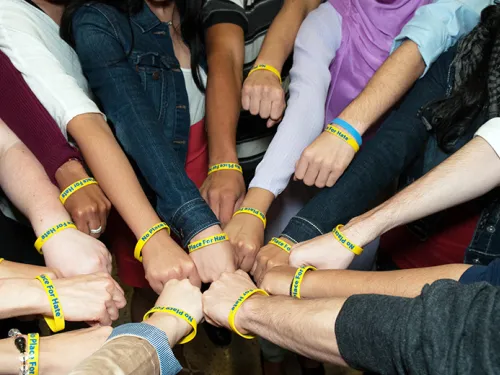
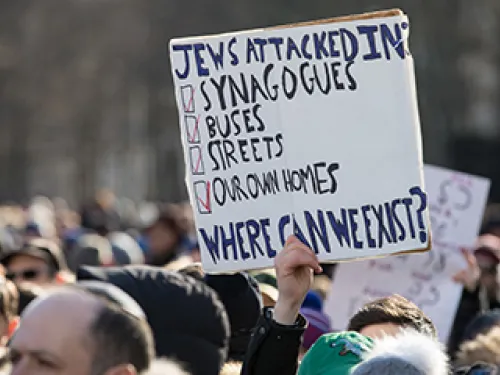
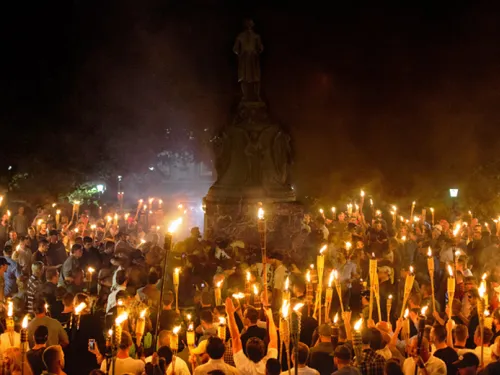
What Educators and Family Members Can DoToday, local, national or international tragedies happen so frequently that they can feel almost commonplace. When a hate crime, mass shooting, act of terrorism or other terrible and hate-inspired event occurs, one of the first questions many people ask is, what should we tell the children? How can we explain to them what has happened? Despite our best efforts to protect youth from the details of hate-motivated events, we can never assume that they are…
Commemorated each year in the month of June, LGBTQ+ Pride Month honors the 1969 Stonewall uprising in New York City. In June of 1969, patrons and supporters of the Stonewall Inn staged an uprising to resist the police harassment and persecution to which LGBTQ+ Americans were commonly subjected. This uprising marked the beginning of a movement to outlaw discriminatory laws and practices against LGBTQ+ Americans. Today, LGBTQ+ Pride Month celebrations include pride parades, picnics, parties,…
A Guide for Responding to School-Based Bias Incidents
Tools and Strategies
Is your school experiencing a bias or hate incident?Whether it be a racist “joke,” slur, stereotype or some other form of implicit or explicit bias, school community members must be committed to addressing bias-related incidents in schools. Educators and school administrators play vital roles in creating an environment where all students can learn and thrive. Cultivating an equitable and inclusive school community requires ensuring that historically marginalized students are…
Empowering Young People in the Aftermath of Hate (In English and Español)
Tools and Strategies
What Educators and Family Members Can DoToday, local, national or international tragedies happen so frequently that they can feel almost commonplace. When a hate crime, mass shooting, act of terrorism or other terrible and hate-inspired event occurs, one of the first questions many people ask is, what should we tell the children? How can we explain to them what has happened? Despite our best efforts to protect youth from the details of hate-motivated events, we can never assume that they are…
Civics Lesson
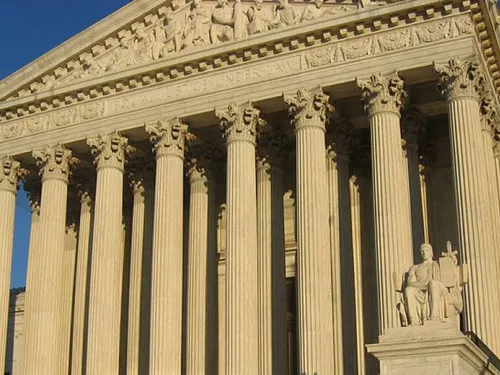
GRADE LEVEL: High School What Were the Multiple Perspectives of the Justices of the U.S. Supreme Court Based on During the Repeal of DOMA?
According to the Supreme Court Decision, Who Has the Right to Marry?
What Assurances Do We Have that the Justices of the U.S. Supreme Court are Able to Be Non-partisan and Avoid Bias When Deciding a Case?
The Judicial branch of the U.S. government is headed by the Supreme Court. This court analyzes and judges cases…
Finding the Balance: Countering Extremism and Combating Stereotypes
Tools and Strategies
Young people are exposed to discussions of extremism every day through social media, news and overheard conversations between adults. As an educators, the topic can be challenging to teach because the situation is always changing and evolving and worse--classroom conversations can themselves lead to stereotyping, bias and bigotry when discussing perpetrators, targets and victims. The following resources will help you teach about extremism while ensuring that the…