





The Pyramid of Hate illustrates the prevalence of bias, hate and oppression in our society. It is organized in escalating levels of attitudes and behavior that grow in complexity from bottom to top. Like a pyramid, the upper levels are supported by the lower levels; unlike a pyramid, the levels are not built consecutively or to demonstrate a ranking of each level. Bias at each level reflects a system of oppression that negatively impacts individuals, institutions and society…
85 Results
There are many benefits of humor. A good joke can ease tension in a stressful situation. Humor can connect people and bring them together. Jokes can bring levity to a situation that begs for lightheartedness. Being funny can signal to others who you are. Humor can even open a conversation that previously felt closed or off-limits.
However, jokes and humor, when they target social identity groups, can do the opposite. They can make people feel unsafe, disconnected, excluded and…
Build skills to recognize and address antisemitism by exploring Jewish identity and unpacking the
definition of antisemitism.
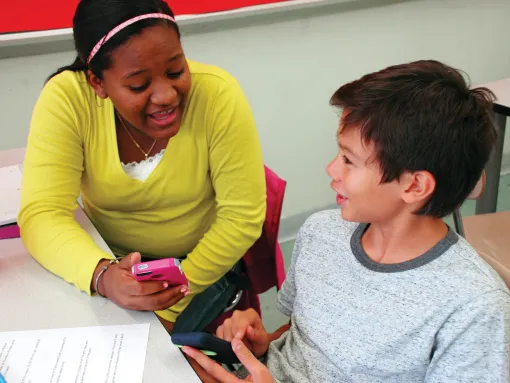
For Educators | For Parents, Families, and Caregivers | For Students Here are some simple things you can do to be an ally to targets of name-calling and bullying. And remember—always think about your safety first when deciding the best way to respond. 1. Support targets, whether you know them or not.Show compassion and encouragement to those who are the targets of bullying behavior by asking if they’re okay, going with them to get help and letting them know you are there for them…
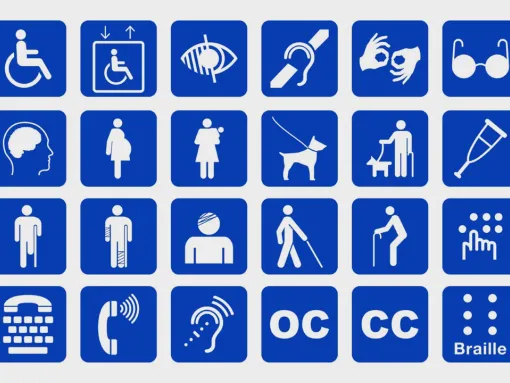
Engage in a family conversation about accommodations are and why people with disabilities need them.
Learn helpful approaches educators can use to talk with young people about extremism and how to help young people resist and counter it.
Explore the difference and disconnect between intent and impact and why "impact" should be prioritized.
View this page in Spanish Antisemitism is a topic that has been in the news and is something important to explore and understand. From news stories about vandalism and hate crimes, to celebrities spewing frightening claims and vitriol about Jewish people, to the antisemitic tropes we see in our social media feeds — antisemitism is all around us. What is Antisemitism?Antisemitism refers to prejudice, discrimination, or hostility directed at Jewish people. It is generally based…
For Educators When there are national news stories that involve incidents of bias and injustice, young people want to be part of the conversation. Even at a young age, they hear adults talking about what’s happening, read about the story on social media or learn about it through television. Rather than protect children and youth from what’s going on in the world, there are age-appropriate and constructive ways to engage them in understanding the situation. Teachers…
Uses these resources to explore and commemorate the rich history and culture of people who are Arab American as well as analyze the bias and discrimination faced by them.
A Toolkit for Educators, Parents and Families Are you concerned about the white supremacist propaganda that young people are seeing online and the ways that extremists may be trying to recruit them?
The purpose of this toolkit is to help educators, parents and families support young people in understanding and resisting domestic extremist recruitment efforts. Our approach is to provide educational information and put tools into the hands of the adults in young people’s lives.
…
Table Talk: Family Conversations about Current EventsOnline games have revolutionized the way we connect, compete and experience the world, captivating millions of adults and young people in thrilling virtual adventures that know no boundaries. In fact, the global player base for video games was estimated to reach 3.6 billion people in 2025 and predicted to reach 3.9 billion by 2028. In particular, teenagers are using video games at higher and…
Short Online Experience to Learn about this Core Topic For Educators | Middle School, High School
About the Mini-Lesson
Only a small portion of an iceberg can be seen above the waterline. Similarly, understanding someone's identity is limited by what we see on the surface. This mini lesson explores the concept of identity and the importance of going "below the waterline" to challenge and avoid stereotypes and identity-based bias.
ADL's mini-lessons are short, interactive, online…
Short Online Experience to Learn about this Core Topic For Educators and Middle and High School Students About the Mini-LessonThe Pyramid of Hate is a powerful framework for understanding how bias escalates—from biased attitudes and stereotypes to discrimination, violence, and even genocide. Through the lens of antisemitism, this mini-lesson helps middle and high school students and educators explore how prejudice grows and intensifies over time, and provides practical strategies to…
Use ADL's high school civics curriculum to help students explore their civic engagement and examine complex topics through an anti-bias lens.
April is National Poetry Month
National Poetry Month provides an opportunity for many schools and classrooms to dedicate time to the study of reading and writing poetry.
Poetry uses vivid and descriptive language, beautiful imagery, unique sounds and rhythms, and diverse voices. It often evokes an emotional and empathetic response and can open doors to people and worlds for which we are unfamiliar. It can touch hearts and minds and motivate action and societal…
Is your school experiencing a bias or hate incident?Whether it be a racist “joke,” slur, stereotype or some other form of implicit or explicit bias, school community members must be committed to addressing bias-related incidents in schools. Educators and school administrators play vital roles in creating an environment where all students can learn and thrive. Cultivating an equitable and inclusive school community requires ensuring that historically marginalized students are…
What Educators and Family Members Can DoToday, local, national or international tragedies happen so frequently that they can feel almost commonplace. When a hate crime, mass shooting, act of terrorism or other terrible and hate-inspired event occurs, one of the first questions many people ask is, what should we tell the children? How can we explain to them what has happened? Despite our best efforts to protect youth from the details of hate-motivated events, we can never assume that they are…
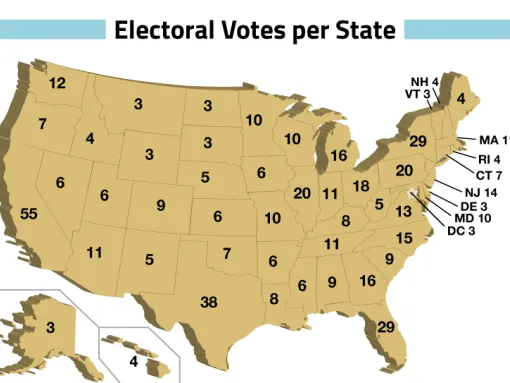
Table Talk: Family Conversations about Current EventsThe Electoral College is an election topic that inspires confusion, controversy and conflict. Many people know that the Electoral College is part of the Presidential election process but may be unsure about its importance and how it works. In the early days of our country’s formation, deciding on the process for electing a U.S. President was a controversial topic. Some suggested that Congress should choose the President. Others…
National Hispanic Heritage Month honors the achievements, contributions, culture, and history of Hispanic and Latin American people. The month-long celebration begins on September 15 commemorating the anniversary of independence for five Latin American countries: Costa Rica, El Salvador, Guatemala, Honduras, and Nicaragua. In addition, Mexico and Chile celebrate their independence days on September 16 and September 18, respectively. The 2025 theme for National Hispanic Heritage Month…