When Hate Goes Viral: Bias and Antisemitism on Social Media
Tools and Strategies
It’s critical that parents, caregivers and educators learn more about social media and how to support young people in their understanding of its power and limitations.
Questions Universities Should Ask When Vetting Campus Antisemitism Trainings
Tools and Strategies
ProgramsUniversities increasingly rely on trainings for students, staff, faculty and administrators to address antisemitism and related forms of bias on campus. Whether a program is developed internally or delivered by an external provider, institutions benefit from taking a thoughtful, structured approach to reviewing content, pedagogy, and alignment with institutional values. The questions below are designed to support universities in evaluating whether a training is factually accurate,…
Artificial Intelligence: What do Parents, Caregivers and Educators Need to Know?
Tools and Strategies
Related ContentBackground Young people are using AI (artificial intelligence) tools every day for homework, curiosity, creativity, and social interaction. While we don’t have exact statistics on daily AI usage yet, recent Pew Research Center findings suggest that AI use begins to rise sharply by early adolescence, with widespread use among teens ages 13–17. While many see AI as a useful and credible source of information, it needs to be utilized critically and thoughtfully,…
Educators should select narratives for their classroom with thought and care—ensuring that history and fact are presented accurately and with as much balance as possible.
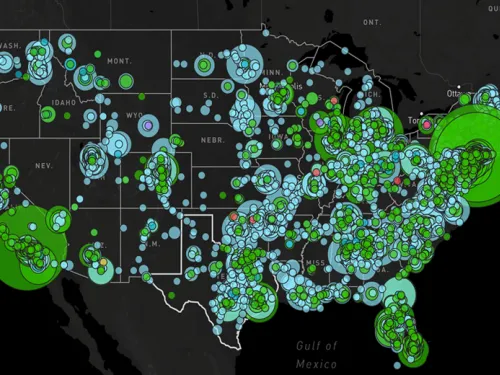
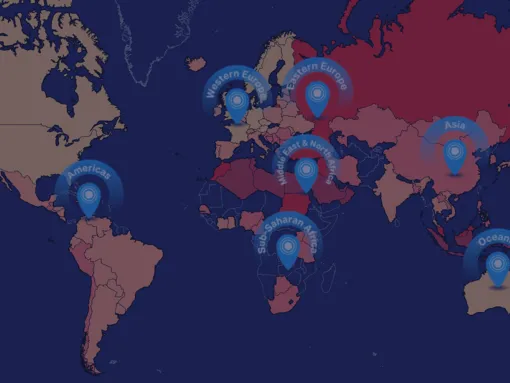
Publicly available maps can be inaccurate or misleading; when used as teaching aids, such biased maps can create a distorted sense of events. For this reason, educators should take care when choosing whether and how to use publicly available maps for instructional purposes, especially when covering complex and ongoing topics.
In a world that is increasingly connected through social media, educators often incorporate current events into instruction. While this is an important tool for educators to make learning feel relevant and current for students, it also must be done with thought and care. Many curriculum offerings claim to offer educators resources and guidance on integrating complex current events into their classrooms, like the Israeli-Palestinian conflict. Sometimes these offerings, while claiming to provide…
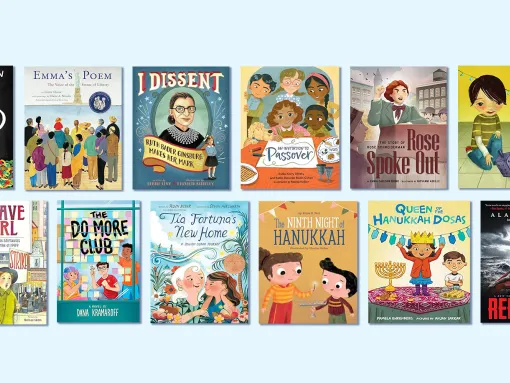
Teach for Liberation: Ida in the Middle UnitThrough books, educators are able to support students’ exploration of different points of view, experiences, places, time periods, etc. These are vital offerings in classroom instruction. Sometimes, however, unit plans that purport to offer educators guidance and nuance in presenting materials in their classrooms instead have inaccuracies, bias and misinformation. The guidance below demonstrates how unbalanced unit guides can be problematic…
Vox YouTube Video: “The Israel-Palestine Conflict: A Brief, Simple History”
Tools and Strategies
Educators surveyed in a 2025 RAND study said that after school curricula and U.S. Holocaust Memorial Museum materials, YouTube is their most-used supplement for teaching the Holocaust and related Jewish topics. Although its videos are free and visually engaging, their quality varies; for example, Vox’s “The Israel-Palestine Conflict: A Brief, Simple History” can appear more reliable than it is. Vox itself is an American news and opinion website that leans towards the…
Decode & Disrupt: A Toolkit to Recognizing and Combating Problematic Messages
Tools and Strategies
In recent years, the education landscape has changed dramatically. With the rise of AI platforms like ChatGPT and resource sharing hubs like Teachers Pay Teachers, there are many organizations and resources that claim to offer quality material—often at no cost. The rise of these platforms coincides with a change in trends for educators. According to a report from Education Week, the average teacher uses five supplemental resources and two core curricula sources. The report goes on…
Resources to facilitate thoughtful conversations with your students about antisemitism, current events and violence, and how we build more communities that stand up to hate.
Back to School is a busy time for all. Explore our resources for both educators and families to support creating classrooms where all students can thrive.
National heritage and celebration months are excellent opportunities to explore, celebrate and educate about the many cultures and peoples of the United States.