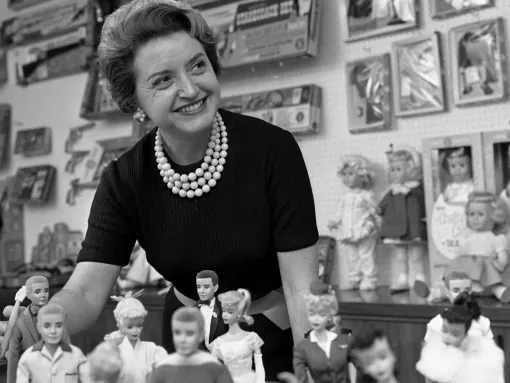
Teach students about this history of Barbie, reflect on their own experiences with Barbie and consider what identity groups may be missing from Barbie's collection.
Ability, Disability and Ableism Educational Resources
Tools and Strategies
Explore with young people the experiences of people with disabilities, the bias and discrimination they face, and the struggle to continue fighting for their rights.
Use the short evocative videos and films in this lesson plan to engage young people in conversations about identity, diversity, bias and social justice.
Civics Lesson
GRADE LEVEL: High School How Were Youth Involved in the Civil Rights Movement?
Throughout history, young people have stepped up and into leadership roles during different civil rights and social movements. This was never more evident than in the Civil Rights Movement, where young people were on the frontlines of the Montgomery bus boycotts, Freedom Rides and sit-ins. Given that student activism is on the rise again across the U.S., understanding how those young voices…
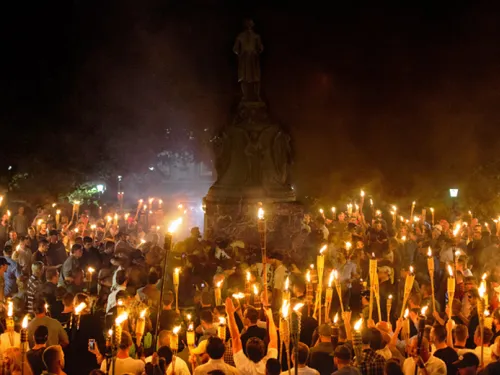
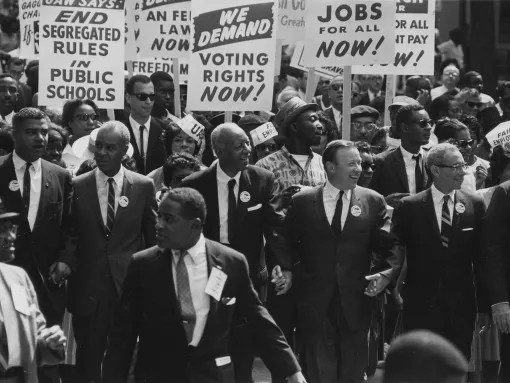
The Civil Rights Movement of the 1950’s and 1960’s came about out of the need and desire for equality and freedom for African Americans and other people of color. Nearly one hundred years after slavery was abolished, there was widespread segregation, discrimination, disenfranchisement and racially motivated violence that permeated all personal and structural aspects of life for black people. “Jim Crow” laws at the local and state levels barred African Americans from…
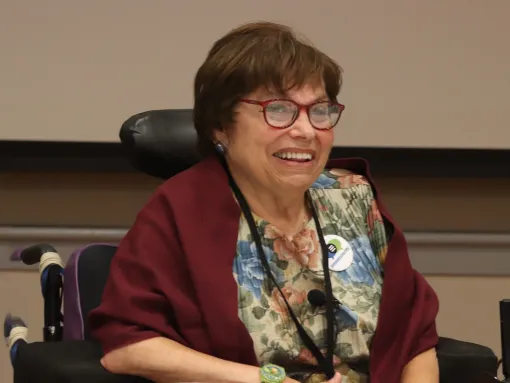
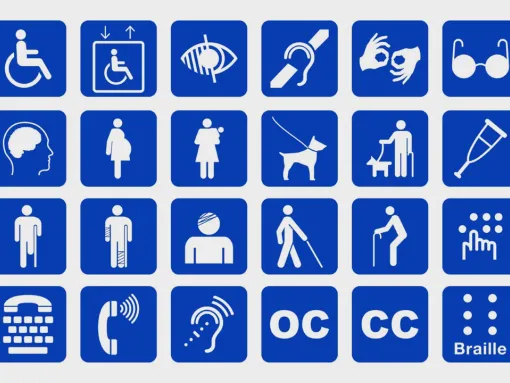
Americans with disabilities are a group of approximately 40.7 million people that today lead independent, self-affirming lives and who define themselves according to their personhood—their ideas, beliefs, hopes and dreams—above and beyond their disability. Since the mid 1900s, people with disabilities have pushed for the recognition of disability as an aspect of identity that influences the experiences of an individual, not as the sole-defining feature of a person. People with…
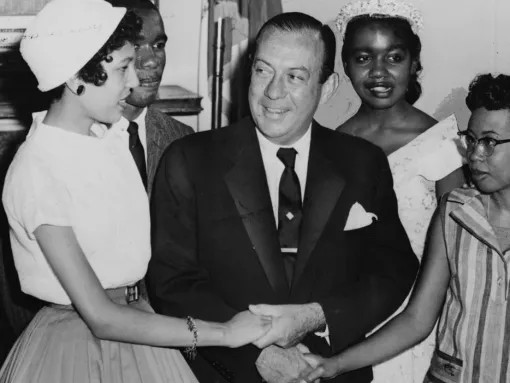
Minnijean Brown, Elizabeth Eckford, Carlotta Walls, Mayor Wagner, Thelma Mothershed, Gloria Ray, Terrance Roberts, Ernest Green, Melba Pattilo, Jefferson Thomas.
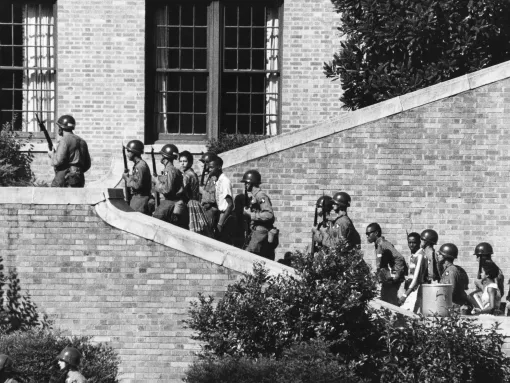
On September 23, 1957 in Little Rock, Arkansas, these nine African-American students quietly slipped into Central High School through the side door with the assistance of the city’s police, while an angry white mob numbering 1,000 swarmed the front of the school to await their arrival. Upon learning of their entry, the…
The Civil Rights Act of 1964 was signed into law by President Lyndon Johnson on July 2, 1964. The Act prohibited discrimination in public places, provided for the integration of schools and other public facilities and made employment discrimination illegal based on race, color, religion, sex or national origin. The document was the most sweeping civil rights legislation since Reconstruction. As we commemorate the anniversary of the Civil Rights Act, we have an opportunity to teach and learn…