Advocating for Safe, Inclusive K-12 School Climates: Educator Guide
Tools and Strategies
Empower K-12 educators to advocate against antisemitism from colleagues, unions, or students. Create safe, inclusive school climates through direct advocacy.
Best Practices for Combating Antisemitism for State Lawmakers
Tools and Strategies
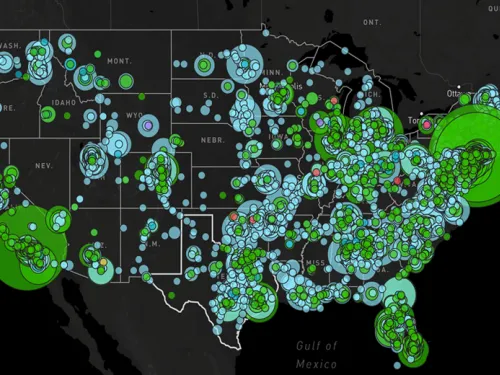
ADL has been closely tracking how states are addressing antisemitism and supporting their Jewish communities. In 2024, ADL tabulated 9,354 antisemitic incidents across the United States – a 5% increase from 2023, a 344% increase over the past five years, and an 893% increase over the past decade. These numbers underscore the urgent need for state-level action. As highlighted in our first-of-its-kind Jewish Policy Index (JPI), our goal is to provide a tool that advocates, educators and…
Identity-Based Bullying: Listening to Young People
Tools and Strategies
Table Talk: Family Conversations about Current EventsAll young people should be able to feel safe, included and respected in their classrooms and schools. Unfortunately, many do not. A recent study of high school students found that nearly four in ten students experienced identity-based bullying or bullying related to an aspect of their identity such as race, religion, sexual orientation, gender identity or physical appearance. How can we listen and learn from young people about…
Table Talk: Family Conversations about Current EventsYou may have heard about “swatting” because it's been in the news recently. What exactly is swatting? Why do people do it? Because young people are exposed to swatting online, on both mainstream websites and the “dark web” (i.e., hidden websites) and because some swatting incidents begin in online gaming or other digital platforms, it is an important topic to discuss with young people. Swatting is &ldquo…
Teach students what biased language is and help them reflect on the reasons why people use it and how they can address and challenge biased words and language.
When ‘Just Joking’ Is No Joke: How to Respond When Students’ ‘Jokes’ are Biased or Offensive
Tools and Strategies
There are many benefits of humor. A good joke can ease tension in a stressful situation. Humor can connect people and bring them together. Jokes can bring levity to a situation that begs for lightheartedness. Being funny can signal to others who you are. Humor can even open a conversation that previously felt closed or off-limits.
However, jokes and humor, when they target social identity groups, can do the opposite. They can make people feel unsafe, disconnected, excluded and…
Teach students about what gossip and rumors are and the impact they have on others, especially those identity groups which may be more vulnerable to and marginalized by rumors and gossip.
9 Ideas for Teaching Asian American Pacific Islander Heritage Month
Lesson Plan
Use these activities to bring the history, culture and experience of the AAPI (Asian American Pacific Islander) people and community to your classroom.
Use the short evocative videos and films in this lesson plan to engage young people in conversations about identity, diversity, bias and social justice.
Why are Children’s and Young Adult Books Challenged and Banned?
Lesson Plan
GRADE LEVEL: Middle School
COMMON CORE STANDARDS: Reading, Speaking and Listening, Language
SEL STANDARDS*: Self-Awareness, Social Awareness, Relationship Skills, Responsible Decision-Making What are Reasons and Explanations for Challenging and Banning Books?
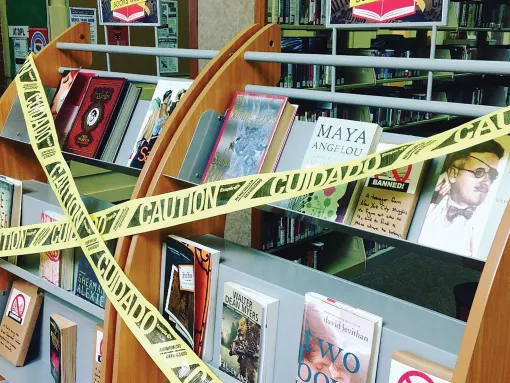
Challenging and banning books goes back centuries. In recent times, children’s and young adult books have been challenged and banned. The reasons and explanations are many and varied and include profanity, “values,…