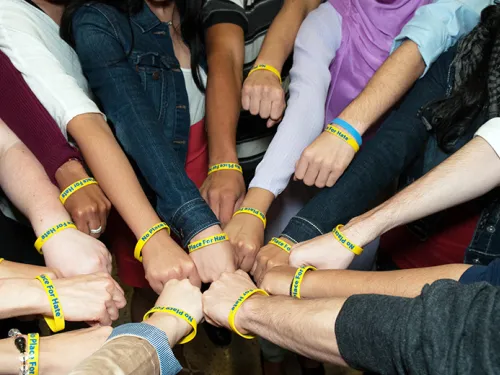

These suggested No Place for Hate® activities are differentiated for elementary, middle and high school students. The activities can be used as a follow-up to watching the webinar, “Connecting Stories and Legacies: A Conversation with Author Gordon Korman and Rachelle Goldstein” which aired on 2/11/25. To make this a NPFH activity towards designation, watch the video, engage students in a discussion using the discussion questions and do one of the additional activities included…
53 Results
Extremists and antisemites are weaponizing seemingly innocuous phrases, symbols and numbers to promote hate, particularly on mainstream social media platforms.
New York, NY – March 2, 2025 – Today ADL (the Anti-Defamation League) honored Farah Pandith, former diplomat and world-renowned foreign policy strategist, with the prestigious Daniel Pearl Award at the 2025 National Leadership Summit. Pandith, whose work in countering violent extremism has garnered global recognition, was honored for her significant contributions to promoting peace, understanding, and resilience against hatred and intolerance. The ADL Daniel Pearl Award was…
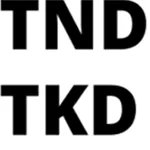
TND and TKD are abbreviations for (respectively) racist and antisemitic slogans referring to the mass death or killing of Black people and Jews.
New York, NY, February 22, 2024 – ADL (the Anti-Defamation League) today announced the distinguished honorees for the upcoming ADL National Home Furnishings Industry Awards Tribute Dinner, scheduled to take place at the Ziegfeld Ballroom in New York City on June 20, 2024. This annual event pays tribute to individuals whose outstanding leadership, unwavering dedication and profound commitment to their respective industries and communities exemplify the essence of the ADL and the core…

Tips and guidance for helping K-12 schools encourage students to become civically engaged, provide safety and protection for all students, and adhere to students’ First Amendment rights.
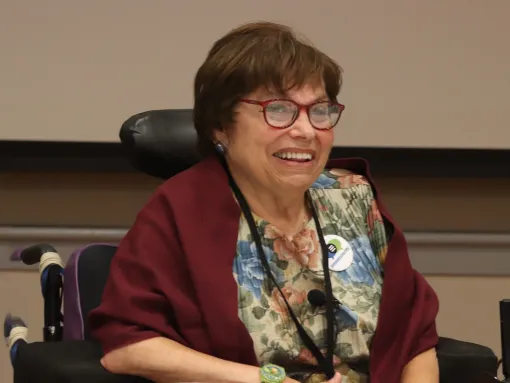
Teach students about disability rights activist Judy Heumann and what work in schools and communities still remains.

Teach students about Bellen Woodard, how she became a "crayon activist," and how they can change something they think is unjust.
Olivia Julianna (who uses only her first and middle name publicly to protect her privacy) has been an activist for several years, advocating voting rights and reproductive-health care. Like many in her generation, she found the political side of TikTok where young people post about important issues facing them. Olivia is involved with Gen-Z for Change, a nonprofit organization leveraging social media to promote civil discourse and political action on a variety of topics including…
Jonathan Greenblatt
CEO and National Director
July 27, 2022
Dear Mr. Agrawal,
I am once again reaching out regarding Iranian Supreme Leader Ali Khamenei’s chronic violations of Twitter’s terms of service on his accounts of Iranian Supreme Leader Ali Khamenei. We ask that you de-platform him for his continued use of Twitter to promote antisemitism, hate, violence and Holocaust denial.
As I wrote in January 2021 to then Twitter CEO Jack Dorsey, Khamenei…
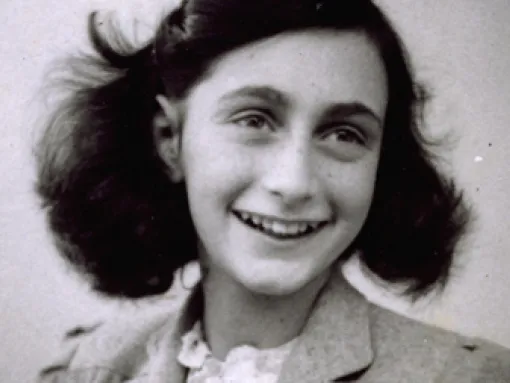
The author and publishers of a new book on Anne Frank's plight have turned one of the few at least partially upbeat stories of Jewish life and thought during the Holocaust into one of Jewish perfidy and treachery. The timing couldn’t be worse: antisemitism is flourishing once again, and Holocaust memory is diminishing.

The phrase “You Will Not Replace Us” is a white supremacist slogan referring to the common White supremacist belief that the white race is in danger of going extinct due to rising numbers of non-White people who are controlled and manipulated by Jews. It may also be seen in acronym form as YWNRU.
ALTERNATE NAMES: YWNRU, Jews Will Not Replace Us
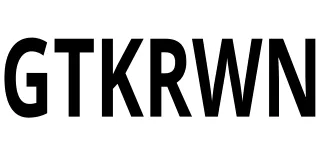
GTKRWN is an acronym for a racist and antisemitic slogan created by white supremacists: “Gas the Kikes; Race War Now.”
ALTERNATE NAMES: GTK
Read more about GTKRWN
Civics Lesson
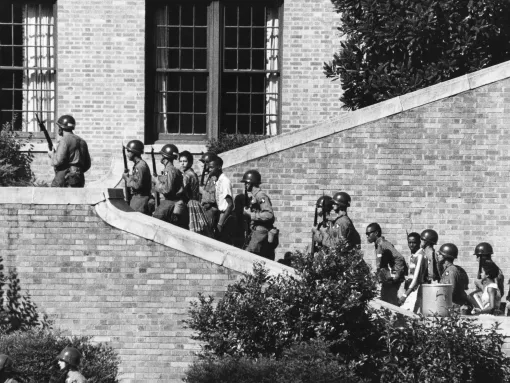
GRADE LEVEL: High School How Were Youth Involved in the Civil Rights Movement?
Throughout history, young people have stepped up and into leadership roles during different civil rights and social movements. This was never more evident than in the Civil Rights Movement, where young people were on the frontlines of the Montgomery bus boycotts, Freedom Rides and sit-ins. Given that student activism is on the rise again across the U.S., understanding how those young voices…
Civics Lesson
GRADE LEVEL: High School What are Human Rights?
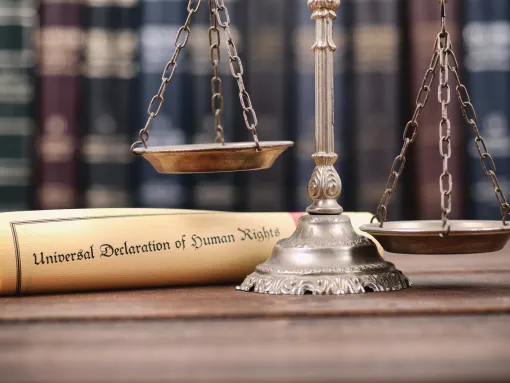
What is the Universal Declaration of Human Rights?
In 1946, in the immediate aftermath of World War II, with hopes of preventing future atrocities, an international committee with varied legal and cultural backgrounds began to draft the Universal Declaration of Human Rights (UDHR). The UDHR was proclaimed by the new United Nations General Assembly in 1948. This document contains 30 Articles that set a standard…
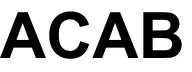
ACAB stands for "All Cops Are Bastards" and is a slogan of long standing in the skinhead subculture. Because non-racist skinheads may use this acronym as well as racist skinheads, it should be carefully judged in the context in which it appears.
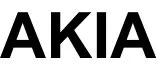
AKIA is Ku Klux Klan shorthand for "A Klansman I Am." It is related to another Klan acronym, AYAK ("Are You A Klansman?"). These are among the many acronyms developed by the Second Ku Klux Klan that emerged in 1915. Although the Second Ku Klux Klan did not survive, much of its terminology and many of its rituals did, and later Klan groups freely used them. Additional Images:
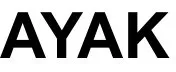
AYAK is Ku Klux Klan shorthand for "Are You A Klansman?" It is related to another Klan acronym, AKIA ("A Klansman I Am"). These are among the many acronyms developed by the Second Ku Klux Klan that emerged in 1915. Although the Second Ku Klux Klan did not survive, much of its terminology and many of its rituals did, and later Klan groups have freely used them. Additional Images:

ALTERNATE NAMES: For God, Race and NationFGRN is a Ku Klux Klan acronym for "For God, Race and Nation," a common Klan slogan. It is one of a number of slogans, codes and rituals created by the Second Ku Klux Klan in the early 20th century. That Klan did not survive, but many of its codes and rituals were adopted by later Klan groups. In acronym form, the slogan is used primarily as a Klan identifier, typically appended at the end of on-line messages and postings. Additional Images:
ALTERNATE NAMES: For God, Race and Nation
Read more about FGRN
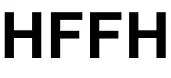
HFFH is an acronym used by the Hammerskins, a large racist skinhead gang. It stands for "Hammerskins Forever, Forever Hammerskins," a format probably adopted from biker gangs. Additional Images: