Back to School is a busy time for all. Explore our resources for both educators and families to support creating classrooms where all students can thrive.
Table Talk: Family Conversations about Current EventsThe CROWN Act is a law that forbids discrimination based on hair texture and hair styles. CROWN stands for: “Create a Respectful and Open Workplace for Natural Hair.” Hair discrimination impacts Black people, especially Black women and girls in schools and workplaces who wear hair styles such as locs, braids, twists, Bantu knots, afros and natural hair. They are punished by discriminatory workplace and school dress codes and…
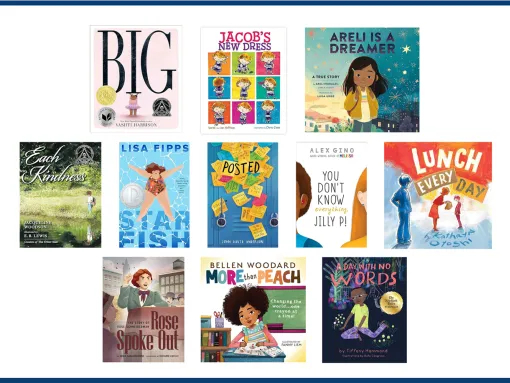
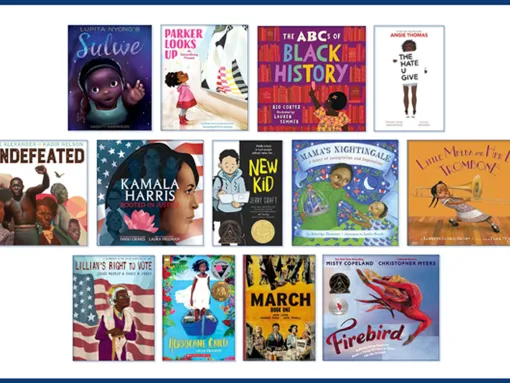
13 Exceptional Kid Lit Books to Read for Black History Month
Tools and Strategies
January 27, 2022 Using children’s literature to teach about Black history and the Black experience is a great way to open the door to discussions about these experiences and milestones. These books include important insights into Black history, culture, accomplishments, notable people, historical and current day injustice and how that injustice was and continues to be confronted and overcome. Our recommended books include…
Short Online Experience to Learn about this Core Topic For Educators | Middle School, High School
About the Mini-Lesson
Only a small portion of an iceberg can be seen above the waterline. Similarly, understanding someone's identity is limited by what we see on the surface. This mini lesson explores the concept of identity and the importance of going "below the waterline" to challenge and avoid stereotypes and identity-based bias.
ADL's mini-lessons are short, interactive, online…
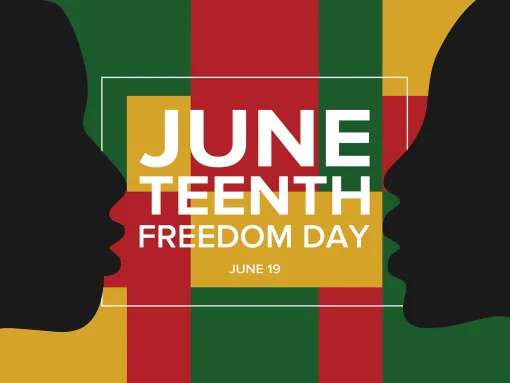
Table Talk: Family Conversations about Current EventsJuneteenth, also known as “Juneteenth Independence Day,” “Emancipation Day,” "Jubilee Day," or “Freedom Day,” is an annual holiday that marks the end of slavery. The holiday’s name is a blending of the words “June” and "nineteenth." Juneteenth commemorates the day in history that Union General Gordon Granger arrived in Galveston, Texas and informed the enslaved…
National Hispanic Heritage Month: Ideas for Educators
Tools and Strategies
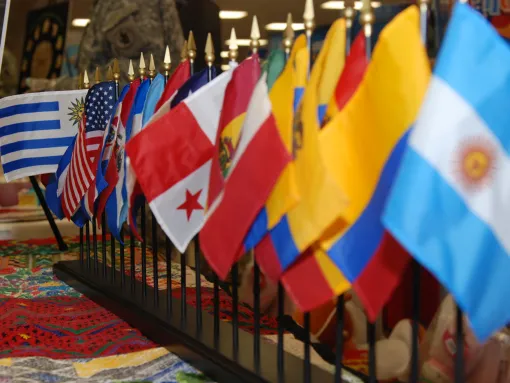
National Hispanic Heritage Month honors the achievements, contributions, culture, and history of Hispanic and Latin American people. The month-long celebration begins on September 15 commemorating the anniversary of independence for five Latin American countries: Costa Rica, El Salvador, Guatemala, Honduras, and Nicaragua. In addition, Mexico and Chile celebrate their independence days on September 16 and September 18, respectively. The 2025 theme for National Hispanic Heritage Month…
Increase your awareness of religious obligations and ethnic and cultural festivities that may affect students, colleagues and neighbors in your community.
November is Native American Heritage Month, which was first declared by President George H.W. Bush in 1990. The month provides an opportunity to commemorate the rich and diverse cultures, traditions and histories and acknowledge the important contributions of Native American/Indigenous people. It is also an important time to educate the general public, as well as young people in schools, about the bias, discrimination and unique challenges faced by Native American/Indigenous people…
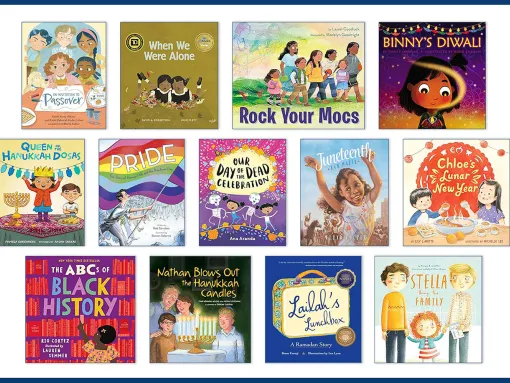
For parents, families and young people Topic SummaryIn recent years, there has been a lot of attention paid to the diversity of children’s books, shining a light on the lack of diversity and amplifying the need for more children’s and young adult literature that reflects our multicultural society. In 2014, an organization named We Need Diverse Books formed, following a regularly trending hashtag with the same name (#WeNeedDiverseBooks) that helped bring attention to the issue. We…
For Educators | For Parents, Families, and Caregivers Most people love a celebration! Adults flutter around busily preparing for the festivities. Children are abuzz with excitement. Special foods are eaten, special heirlooms brought down from the shelf. Traditions are passed down from generation to generation. While children should have an opportunity to learn about and share information about the important holidays and celebrations in their lives, celebrating specific holidays in a school or…
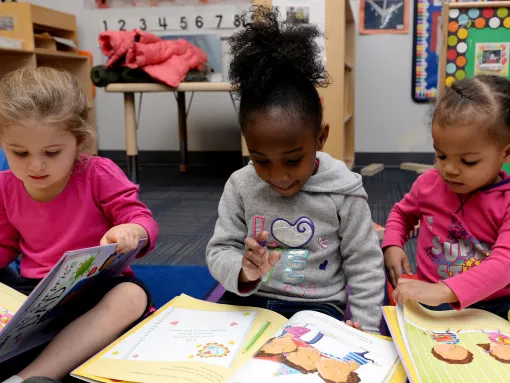
Early Childhood Question Corner For Educators | For Parents, Families, and Caregivers You can help children embrace differences by exposing them to diversity as early as possible. This can be a natural part of everyday living as children develop relationships outside their family. Answer children’s questions about differences openly and honestly as they come up, and if you don't know the answers, seek them out. Another way to ensure diversity in children’s lives is to…
Race Talk: Engaging Young People in Conversations about Race and Racism
Tools and Strategies
For Educators Because discussions of race and racism are part of our public discourse, educators feel a sense of responsibility to bring these topics into their classrooms—because young people want to be part of the conversation and should be. If handled effectively, these discussions provide opportunities for timely learning. Below are suggestions and strategies for having classroom conversations with young people about race and racism. Prior to these discussions and…
How Can “Looking at Lights” Promote Respect Among Children for Various Holidays, Celebrations and Traditions?
Tools and Strategies
Early Childhood Question Corner
Common themes appear in holidays and celebrations across many cultures. By connecting themes, as suggested in the Question Corner installment "How can I plan inclusive holiday celebrations?" you can show children that holidays and celebrations are an expression of cultural and religious pride, and help them understand the commonality of certain human feelings, celebrations and their meaning. For example, by trying the following activity, Looking…