Table Talk: Family Conversations about Current EventsYou may have heard about “swatting” because it's been in the news recently. What exactly is swatting? Why do people do it? Because young people are exposed to swatting online, on both mainstream websites and the “dark web” (i.e., hidden websites) and because some swatting incidents begin in online gaming or other digital platforms, it is an important topic to discuss with young people. Swatting is &ldquo…
Empoderar a los niños y jóvenes tras un evento de odio
Tools and Strategies
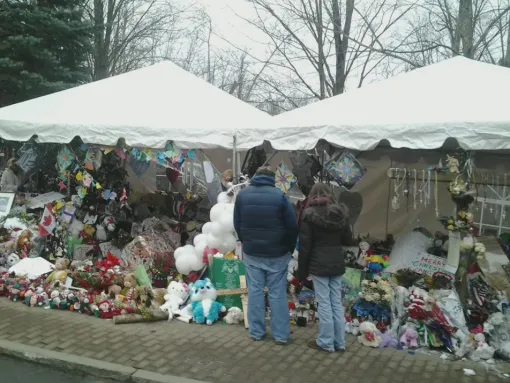
What Educators and Family Members Can DoToday, local, national or international tragedies happen so frequently that they can feel almost commonplace. When a hate crime, mass shooting, act of terrorism or other terrible and hate-inspired event occurs, one of the first questions many people ask is, what should we tell the children? How can we explain to them what has happened? Despite our best efforts to protect youth from the details of hate-motivated events, we can never assume that they are…
ADL’s new capacity to support municipalities, and others interested in using the law to deter harm and hold individuals and groups accountable for violent extremist actions. As our democracy as well as vulnerable communities are increasingly at risk of extremist violence and threats, ADL has expanded its capacity to support municipalities, community organizations and others interested in learning more about how to use the law to deter harm and hold individuals and groups responsible for…
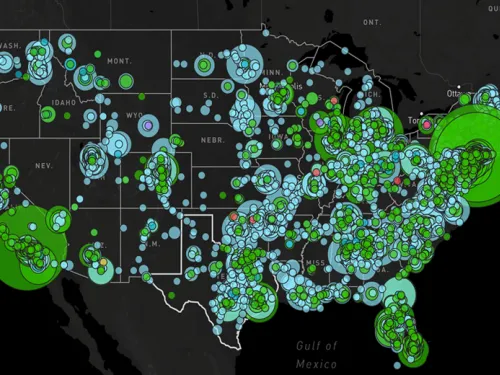
The following is an inventory of known active white supremacist prison gangs, as well as which states they’re active in and examples of various “patches” associated with those prison gangs where available.
Facebook: The Platform of Choice for White Supremacist Prison Gangs
Tools and Strategies
An ADL Center on Extremism examination of white supremacist prison gangs’ Facebook activity shows it is the platform of choice for gang members to connect.
Empowering Young People in the Aftermath of Hate (In English and Español)
Tools and Strategies
What Educators and Family Members Can DoToday, local, national or international tragedies happen so frequently that they can feel almost commonplace. When a hate crime, mass shooting, act of terrorism or other terrible and hate-inspired event occurs, one of the first questions many people ask is, what should we tell the children? How can we explain to them what has happened? Despite our best efforts to protect youth from the details of hate-motivated events, we can never assume that they are…
All Americans have a stake in effective response to violent bigotry. Hate crimes merit a priority response because of their special impact on the victim and the victim's community. Failure to address this unique type of crime could cause an isolated incident to explode into widespread community tension. The damage done by hate crimes cannot be measured solely in terms of physical injury or dollars and cents. These crimes may effectively intimidate other members of the victim's community,…
Table Talk: Family Conversations About Current Events
For Parents, Families, and Caregivers | 12 and up Talking with Children about Gun Violence
The issue of gun violence and mass shootings is in the news frequently. Young people are usually aware of what is happening and will want to talk about it. However, it is a sensitive, scary, and potentially painful topic. Before raising the matter with young people, consider your child’s personality. To what extent will the…