

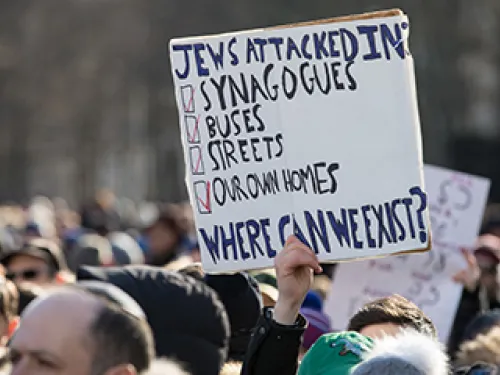
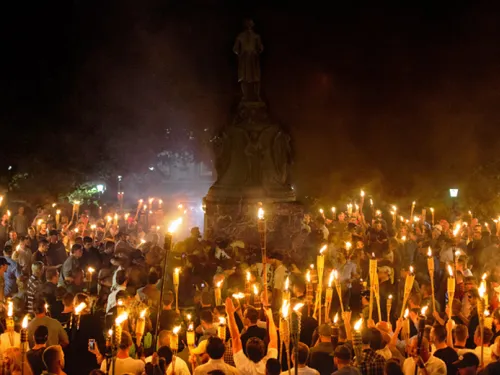



The ongoing military conflict in Iran has the potential to reshape the country, not least for its diverse range of religious and ethnic minorities. While Iran has a deep and ancient history of religious and ethnic pluralism, the 1979 revolution set in motion almost five-decades of systematic persecution against the country's minority communities and Iranian women in the name of the Islamic Republic. Since 1979, the Islamic Republic has imposed a theocratic order…
5 Results
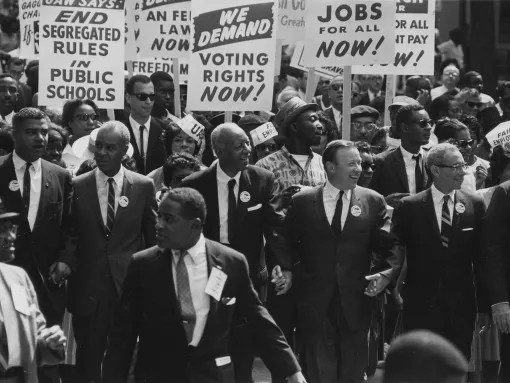
The Civil Rights Movement of the 1950’s and 1960’s came about out of the need and desire for equality and freedom for African Americans and other people of color. Nearly one hundred years after slavery was abolished, there was widespread segregation, discrimination, disenfranchisement and racially motivated violence that permeated all personal and structural aspects of life for black people. “Jim Crow” laws at the local and state levels barred African Americans from…
Americans with disabilities are a group of approximately 40.7 million people that today lead independent, self-affirming lives and who define themselves according to their personhood—their ideas, beliefs, hopes and dreams—above and beyond their disability. Since the mid 1900s, people with disabilities have pushed for the recognition of disability as an aspect of identity that influences the experiences of an individual, not as the sole-defining feature of a person. People with…
What was Kristallnacht (kris'·tahl·nockt)?
Kristallnacht, the "Night of Broken Glass," was a wave of violent pogroms against Jews throughout Germany and Austria that took place on November 9-10, 1938. On the night of November 9th, the Gestapo (Nazi State Police) informed local police by telegram about the actions against Jews and their synagogues that would be taking place throughout Germany, instructing them not to interfere with what was happening. During these two nights,…
For Educators