Teach students about this history of Barbie, reflect on their own experiences with Barbie and consider what identity groups may be missing from Barbie's collection.
Teach students about data from Pew's survey about teens and social media, help them reflect on their own social media use and explore how race, gender and socioeconomic status impact online use.
Teach students what biased language is and help them reflect on the reasons why people use it and how they can address and challenge biased words and language.
November 18, 2021
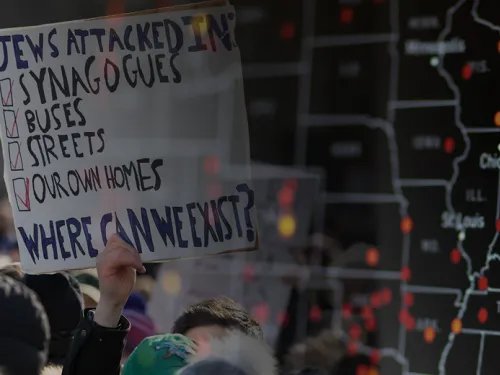
Now is the time to shine a light on antisemitism through education. This webinar, for middle and high school educators and administrators, highlights the critical importance of antisemitism education in today's world. Offered are practical implementation tools related to ADL Education's programs, online learning and resources as well as specific actions schools can take in support of the "Shine a Light" campaign that takes place throughout the week of Hanukkah…
Using Children’s Literature to Foster Empathy and Challenge Anti-Immigrant Bias
Webinar
For Educators July 22, 2021
Moderator: Marsha Frith, Education Director, ADL Florida Office
Panelists: Jill Eisenberg, Director of Curriculum and Literacy Strategy, Lee & Low Books, Areli Morales, author of Areli Is a Dreamer: A True Story by Areli Morales, a DACA Recipient, Jinnie Spiegler, Director of Curriculum and Training, ADL
Children and young adult literature is a compelling entry point for helping young people learn more about people who are immigrants, the…
For Educators July 21, 2021
Moderator: Adam Strom, Director, Re-imagining Migration
Presenters: Erika Lee, Regents Professor, Distinguished McKnight University Professor, Rudolph J. Vecoli Chair in Immigration History and Director of the Immigration History Research Center, University of Minnesota
This webinar examines anti-immigrant bias past and present. In our current climate, voices that were once on the fringe have become mainstream in our political discourse. As…
Civics Lesson
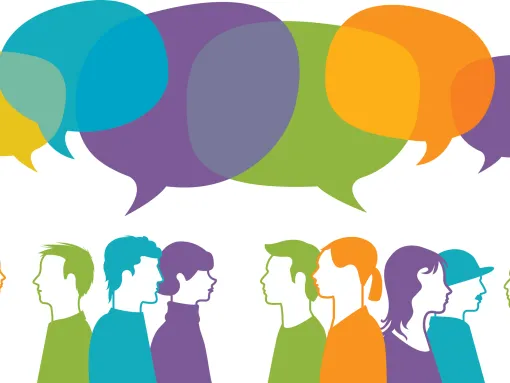
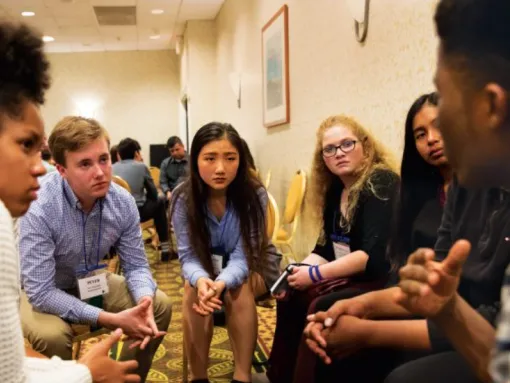
GRADE LEVEL: High School How is Dialogue Different than Debate?
Technology is enabling students to be increasingly aware of news and current events. Along with this increased awareness, we see more and more students becoming actively engaged in conversations around hot-button topics. While students often talk in digital spaces about current events that concern them, they also continue the conversation in person. When disagreements happen in those conversations, what…
Civics Lesson
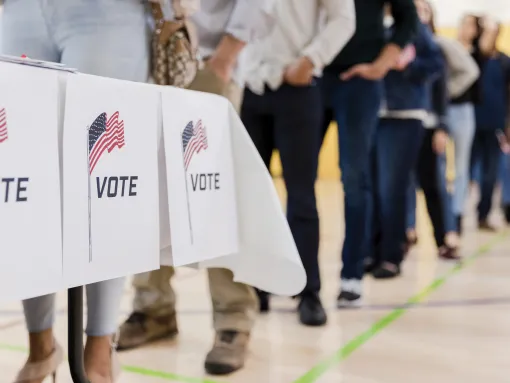
GRADE LEVEL: High School What Needs to Change to Increase Voter Turnout?
After every election, regardless of the outcome, people wonder how many people showed up at the polls to vote. The number is never as high as people would like, especially during midterm elections. In the 2016 Presidential election, 60.1% of the population eligible to vote showed up to the polls. During the midterm elections in 2018, only 50.3% of those eligible voted. While thousands of dollars…
How to Effectively Respond to Bias Incidents in Your Schools
Webinar
Wednesday, March 3, 2021
Presenters: Danika Manso-Brown, Associate Education Director, and Caterina Rodriguez, Director of PreK-12 Education Programs, ADL
This webinar will help participants understand how to use ADL's toolkit, "Responding to Bias Incidents in Middle and High Schools: Resources and Best Practices for School Administrators & Educators," to address incidents effectively at their schools. By educating students about the impact of harmful language and behaviors,…
Civics Lesson
GRADE LEVEL: High School What is My Role in Creating and Participating in a Brave Space for Myself and Others?Educators want a welcoming classroom where every student feels appreciated, supported and able to express their ideas. While creating a safe space has been the focus for a long time, we are now calling on educators and students to create “brave spaces.” These are spaces where everyone feels that they can contribute, that they will be heard and they…
Civics Lesson
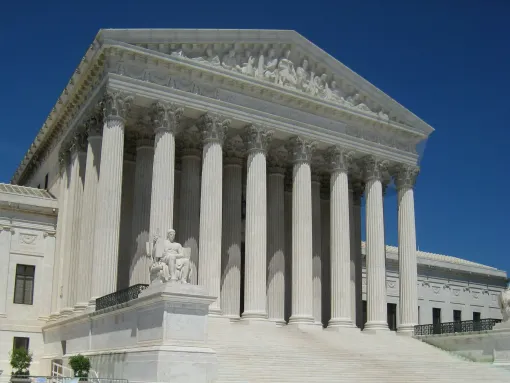
GRADE LEVEL: High School Which Form of Government Has the Most Power?
What are the Differences in Power Between Each Form of Government?
Which Form of Government Has the Most Power to Address Equity and Social Justice Issues?
Aside from the separation of powers at the federal level, the U.S. Constitution also describes the power relationships between state and federal governments, how that power will be distributed, and the relationships between the…
Civics Lesson
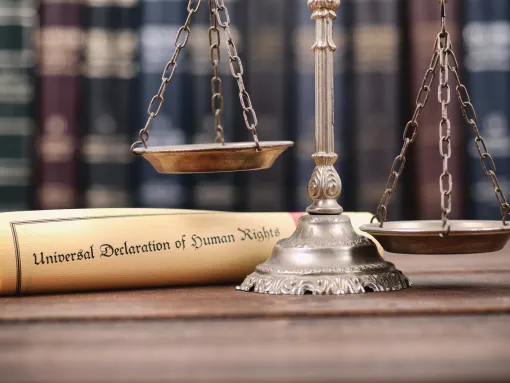
GRADE LEVEL: High School What are Human Rights?
What is the Universal Declaration of Human Rights?
In 1946, in the immediate aftermath of World War II, with hopes of preventing future atrocities, an international committee with varied legal and cultural backgrounds began to draft the Universal Declaration of Human Rights (UDHR). The UDHR was proclaimed by the new United Nations General Assembly in 1948. This document contains 30 Articles that set a standard…
Civics Lesson
GRADE LEVEL: High School What is a Government?
What are Different Forms of Government?
What is My Relationship to Government?
Governments, and the act of governing, have been part of human society for thousands of years. Governments have shifted and changed in the way they represent, operate and control, but one thing remains the same: they are created to organize groups of people and provide structure and accountability. Understanding the concept of…