Identity-Based Bullying: Listening to Young People
Tools and Strategies
Table Talk: Family Conversations about Current EventsAll young people should be able to feel safe, included and respected in their classrooms and schools. Unfortunately, many do not. A recent study of high school students found that nearly four in ten students experienced identity-based bullying or bullying related to an aspect of their identity such as race, religion, sexual orientation, gender identity or physical appearance. How can we listen and learn from young people about…
Navegando en un mundo digital: Consejos para los jóvenes
Tools and Strategies
For Educators | For Parents, Families, and Caregivers | For Students Tweens and teens spend a lot of time using technology, much of it positive, but it can move into cyberbullying and other online mean behavior. Below are tips young people can use in their digital lives to help them have a positive online experience and effectively respond to negative online behavior and cyberbullying. Before going online...Set guidelines.Limit electronic use.Consider what it means to be responsible online…
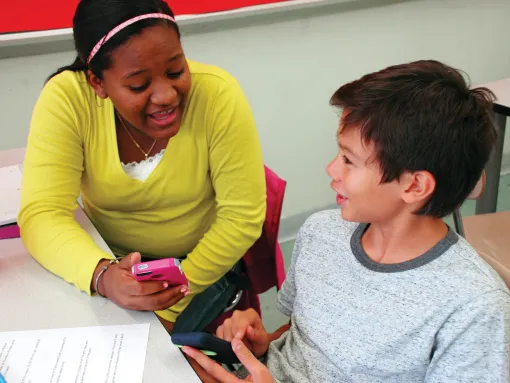
For Educators | For Parents, Families, and Caregivers | For Students Here are some simple things you can do to be an ally to targets of name-calling and bullying. And remember—always think about your safety first when deciding the best way to respond. 1. Support targets, whether you know them or not.Show compassion and encouragement to those who are the targets of bullying behavior by asking if they’re okay, going with them to get help and letting them know you are there for them…
Table Talk: Family Conversations About Current EventsWhen there are periods of heightened violence and war in the news, oftentimes one or more marginalized identity groups can become the focus of attention, anger, hostility and bias even far removed from the location of the conflict. In the wake of Hamas’ attack on Israel in October 2023, ADL has tracked an uptick in antisemitic attacks in the U.S. and around the globe, and there have also been incidents of anti-Muslim attacks. As the…
Important Books to Explore Bullying and Ally Behavior
Tools and Strategies
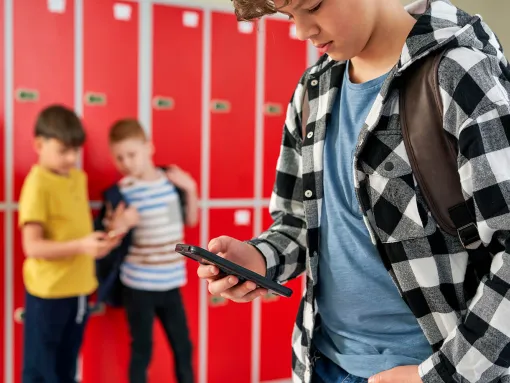
While bullying is still a problem in schools, the intersection of bias and bullying can be particularly harmful. Identity-based bullying is when a person is targeted based on an essential part of their identity (e.g., race, immigration status, sexual orientation, religion, or gender identity). It is common in schools and not only impacts the targeted person but everyone else around them that shares their identity. Identity-based bullying can leave all students feeling unsafe and fearful that…
What Bullying Is and Is Not (In English and en Español)
Tools and Strategies
Table Talk: Family Conversations About Current EventsBullying is a phrase we hear regularly and often: in the media, on TV shows and movies, in schools and in conversations among both adults and children. Parents, students and schools are rightfully worried about bullying. It is a problem and cause for concern but may not be as widespread as many think because the term “bullying” is often used as an umbrella to describe all kinds of mean behavior—from a rude comment to a…
How Can I Use Books to Address Bullying Among Young Children?
Tools and Strategies
Early Childhood Question Corner For Educators | For Parents, Families, and Caregivers Children’s literature can be an effective tool for addressing the growing concerns about physical, verbal, and relational bullying in schools. Though bullying has been traditionally dismissed by some as “just a part of growing up,” most educators today understand that it is a pervasive problem with harmful and damaging effects on all members of the school community. The use of literature to…
What Can I Do About Bullying Among Young Children?
Tools and Strategies
Early Childhood Question Corner
For Educators | For Parents, Families, and Caregivers Research shows that bullying can begin in preschool and that adults play an important role in prevention and intervention (Barker, 2008). Bullying is the repeated actions or threats by a person or persons who are perceived to have more power or status than the targeted individuals, with the intent to cause fear, distress or harm. Bullying occurs in various forms among young children including hitting or…
Interview with Rosalind Wiseman, Bullying Prevention Specialist
Podcast
For Educators | For Parents, Families, and Caregivers Rosalind Wiseman talks about raising teenagers in a complex world, the role of social media and gaming, what teachers can do to engage students and how her own parenting informs her work. Rosalind Wiseman is a teacher, thought leader, author and media spokesperson on bullying prevention, ethical leadership, the use of social media and media literacy. She is the author of several books including Queen Bees and Wannabes: Helping Your Daughter…
Interview with Ami Polonsky, Children's Book Author
Podcast
For Educators | For Parents, Families, and Caregivers In this podcast, Ami Polonsky talks about why she wrote the book, how parents and teachers can discuss gender and transgender identity with young people and the importance of being an ally.
Ami Polonsky is a children’s book author and teacher. Published in 2014, Gracefully Grayson, a middle grade book, is her debut. Formerly a Chicago Public Schools teacher, Ami spent nine years out of the classroom to…
Interview with Trudy Ludwig, Children's Book Author
Podcast
For Educators In this podcast, Trudy Ludwig talks about Confessions of a Former Bully and why she writes books focused on social aggression and bullying.
Trudy Ludwig is an award-winning author who specializes in writing children's books that explore the colorful and sometimes confusing world of children's social interactions. She has a special focus on addressing relational aggression--the use of relationships to manipulate and hurt others. Trudy wrote her first…
Interview with Kathryn Otoshi, Children's Book Author & Illustrator
Podcast
For Educators
In this podcast, she talks about her books, her process for converting big ideas into children's stories and the complex nature of friendship, bullying and standing up.
Kathryn Otoshi is an award winning author/illustrator and speaker best known for her character-building children’s book series, Zero, One and Two. She travels to schools across the country to encourage kids to develop strong character assets and helps teachers find…
11 Ways Schools Can Help Students Feel Safe in Challenging Times (In English and en Español)
Tools and Strategies
In recent years, we have seen alarming images and biased language in schools and universities: name-calling, hate-filled taunts, vandalism, racial slurs and epithets, offensive graffiti on desks and bathroom walls. In addition, many young people—especially those whose identities have been targeted publicly with words and actions—are fearful and worried. Teachers have had to work overtime to console those students and provide resources to get help. Schools must be places where…
A Guide for Counselors and Camp Administrators For Educators | For Parents, Families, and Caregivers Summer camp is a wonderful time in children’s lives when they get to spend time outdoors, meet new people, have novel experiences and gain insight into themselves. There are about 12,000 day and resident camps in the U.S. and each year more than 11 million children and adults attend camp. According to an American Camp Association (ACA) report, parents cite the following reasons as the…
For Educators | For Parents, Families, and Caregivers | For Students Here are some simple things you can do to be an ally to targets of name-calling and bullying. And remember—always think about your safety first when deciding the best way to respond. 1. Support targets, whether you know them or not.Show compassion and encouragement to those who are the targets of bullying behavior by asking if they’re okay, going with them to get help and letting them know you are there for them…
Finding the Balance: Countering Extremism and Combating Stereotypes
Tools and Strategies
Young people are exposed to discussions of extremism every day through social media, news and overheard conversations between adults. As an educators, the topic can be challenging to teach because the situation is always changing and evolving and worse--classroom conversations can themselves lead to stereotyping, bias and bigotry when discussing perpetrators, targets and victims. The following resources will help you teach about extremism while ensuring that the…
Why Is It Important to Teach Young Children to Appreciate Diversity?
Tools and Strategies
Early Childhood Question Corner For Educators | For Parents, Families, and Caregivers Although children are not born with prejudice, by early childhood they have already acquired stereotypes or negative attitudes toward those that they perceive as “others.” An article in The Buffalo News reports that about 85 percent of the brain develops between ages 3 and 5, and that impressions and ideas formed between ages 2 and 4 are lasting (Lessons in Respect, 2003). Researchers tracking the…
How Can Outdoor Play Increase Children’s Anti-Bias Skills?
Tools and Strategies
Early Childhood Question Corner For Educators | For Parents, Families, and Caregivers Children’s outdoor play offers many opportunities to teach and reinforce anti-bias behavior. To get you started, incorporate some of the below tips excerpted from Bias-Free Foundations: Early Childhood Activities for Educators (2005, 28): Take advantage of these opportunities by helping children to learn skills such as taking turns, sharing toys and inviting new children to play. For example,…