Why are Children’s and Young Adult Books Challenged and Banned?
Lesson Plan
GRADE LEVEL: Middle School
COMMON CORE STANDARDS: Reading, Speaking and Listening, Language
SEL STANDARDS*: Self-Awareness, Social Awareness, Relationship Skills, Responsible Decision-Making What are Reasons and Explanations for Challenging and Banning Books?
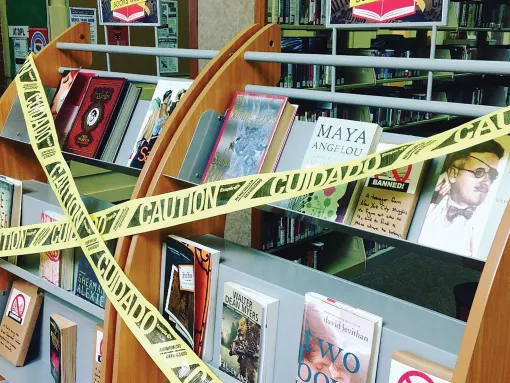
Challenging and banning books goes back centuries. In recent times, children’s and young adult books have been challenged and banned. The reasons and explanations are many and varied and include profanity, “values,…
GRADE LEVEL: Elementary School
COMMON CORE STANDARDS: Reading, Writing, Speaking and Listening, Language
SEL STANDARDS*: Self-Awareness, Social Awareness, Relationship Skills, Responsible Decision-Making 7-Year-Old Morgan Bugg Advocates for More Diversity in Avatars
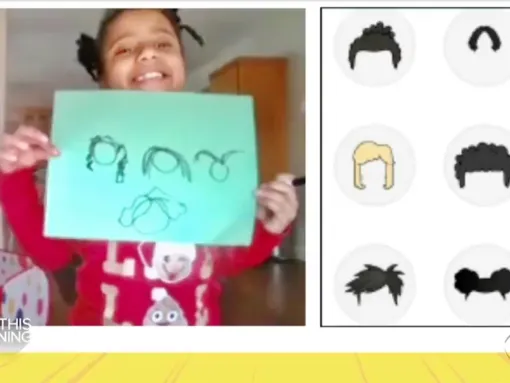
In April 2021, seven-year-old Morgan Bugg of Tennessee was using an educational gaming app called Freckle, which is used by more than 900,000 teachers in the U.S. This app gives students a chance to win coins while…
Antisemitic Incidents at Anti-Israel Events and Actions Around the World
Fact Sheet
Updated: June 1, 2021
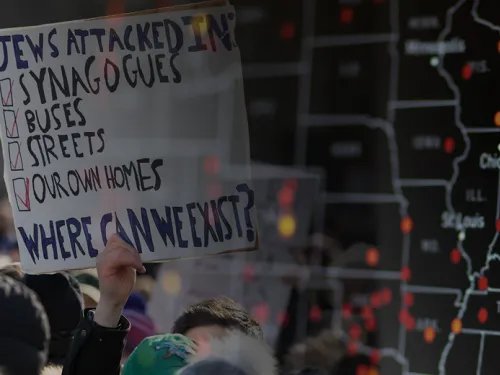
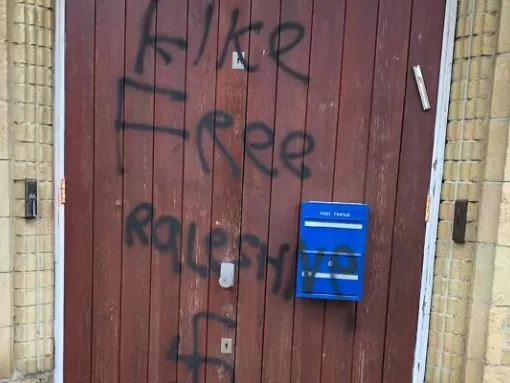
Since the start of the May conflict between Israel and Hamas, there have been numerous antisemitic incidents around the world related to the conflict. The perpetrators of these attacks deliberately targeted Jewish institutions in order to express their anger towards Israel.
Whenever anti-Israel actions target synagogues, Jewish community centers, kosher restaurants, Jewish owned businesses, or individual Jews – in other words, holding Jews…
Civics Lesson
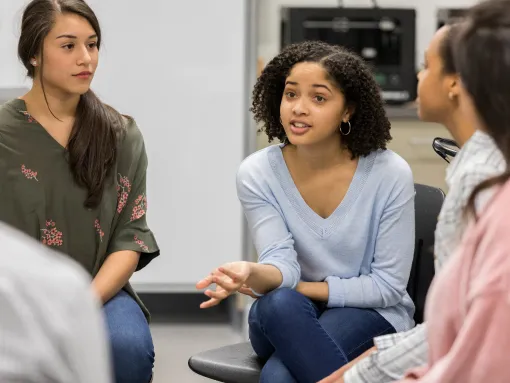
GRADE LEVEL: High School How is Dialogue Different than Debate?
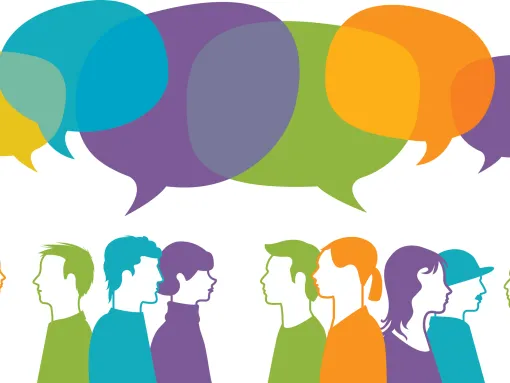
Technology is enabling students to be increasingly aware of news and current events. Along with this increased awareness, we see more and more students becoming actively engaged in conversations around hot-button topics. While students often talk in digital spaces about current events that concern them, they also continue the conversation in person. When disagreements happen in those conversations, what…
Civics Lesson
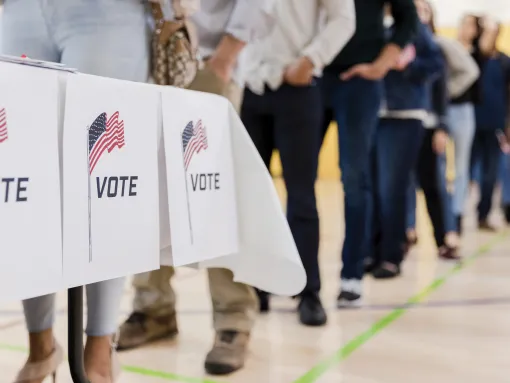
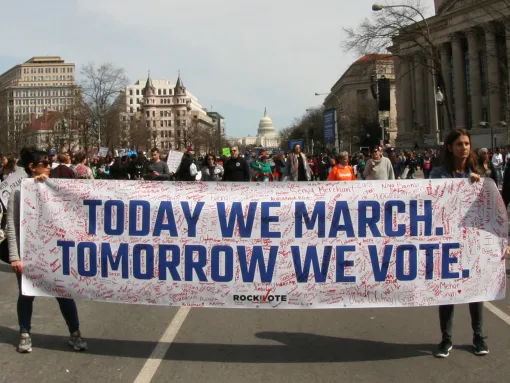
GRADE LEVEL: High School What Needs to Change to Increase Voter Turnout?
After every election, regardless of the outcome, people wonder how many people showed up at the polls to vote. The number is never as high as people would like, especially during midterm elections. In the 2016 Presidential election, 60.1% of the population eligible to vote showed up to the polls. During the midterm elections in 2018, only 50.3% of those eligible voted. While thousands of dollars…
Civics Lesson
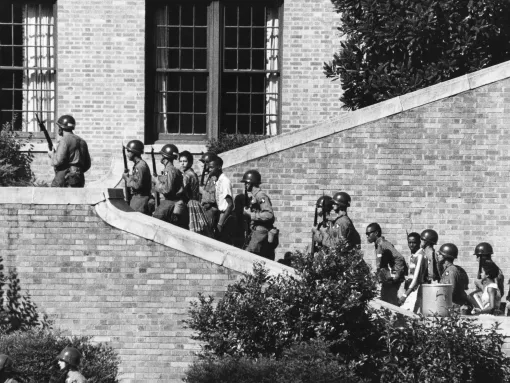
GRADE LEVEL: High School How Were Youth Involved in the Civil Rights Movement?
Throughout history, young people have stepped up and into leadership roles during different civil rights and social movements. This was never more evident than in the Civil Rights Movement, where young people were on the frontlines of the Montgomery bus boycotts, Freedom Rides and sit-ins. Given that student activism is on the rise again across the U.S., understanding how those young voices…
Civics Lesson
GRADE LEVEL: High School What is My Role in Creating and Participating in a Brave Space for Myself and Others?Educators want a welcoming classroom where every student feels appreciated, supported and able to express their ideas. While creating a safe space has been the focus for a long time, we are now calling on educators and students to create “brave spaces.” These are spaces where everyone feels that they can contribute, that they will be heard and they…
January
Argentina
A Jewish family was physically and verbally assaulted
Canada
Swastikas were spray painted on a synagogue
Greece
A monument to the Holocaust was defaced
Iraq
Antisemitic comments were made by the country's former Prime Minister
Poland
Nazi symbols were spray painted on the wall of a Jewish cemetery
Turkey
Classic antisemitic tropes appeared in a pro-government…
Civics Lesson
GRADE LEVEL: High School What is Bias? What is Implicit Bias?In What Ways Could Bias Have an Impact on Your Civic Participation? The U.S. Constitution embodies ideals of equal opportunity and fair treatment for all and is reinforced by laws like the Civil Rights Act and Title IX. Yet, marginalized people who have experienced discrimination and unfair treatment historically, continue to do so in the present day. The stories in the news and social media seem to…
Civics Lesson
GRADE LEVEL: High School Which Form of Government Has the Most Power?
What are the Differences in Power Between Each Form of Government?
Which Form of Government Has the Most Power to Address Equity and Social Justice Issues?
Aside from the separation of powers at the federal level, the U.S. Constitution also describes the power relationships between state and federal governments, how that power will be distributed, and the relationships between the…
Civics Lesson
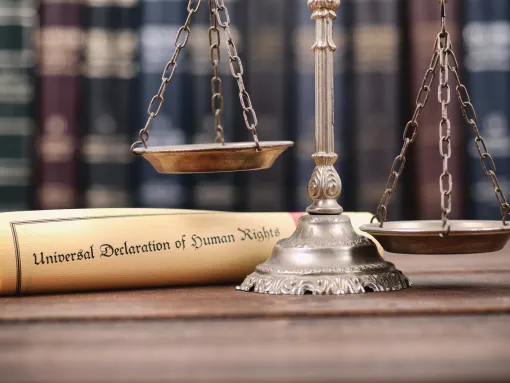
GRADE LEVEL: High School What are Human Rights?
What is the Universal Declaration of Human Rights?
In 1946, in the immediate aftermath of World War II, with hopes of preventing future atrocities, an international committee with varied legal and cultural backgrounds began to draft the Universal Declaration of Human Rights (UDHR). The UDHR was proclaimed by the new United Nations General Assembly in 1948. This document contains 30 Articles that set a standard…
Civics Lesson
GRADE LEVEL: High School What is a Government?
What are Different Forms of Government?
What is My Relationship to Government?
Governments, and the act of governing, have been part of human society for thousands of years. Governments have shifted and changed in the way they represent, operate and control, but one thing remains the same: they are created to organize groups of people and provide structure and accountability. Understanding the concept of…
Civics Lesson
GRADE LEVEL: High School How Do I Write a Bill?
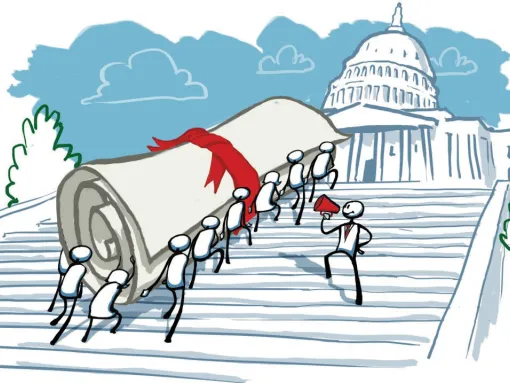
When a change in the law is desired, whether at the community, state, or national level, people need to understand the processes of making that desired change, a bill, into a law. Submitting a bill for consideration by the legislature involves writing, revising and sharing bills with a focus on passing them in a Senate hearing.
About the Lesson Plan
In this lesson, students will brainstorm to identify changes they…
Civics Lesson
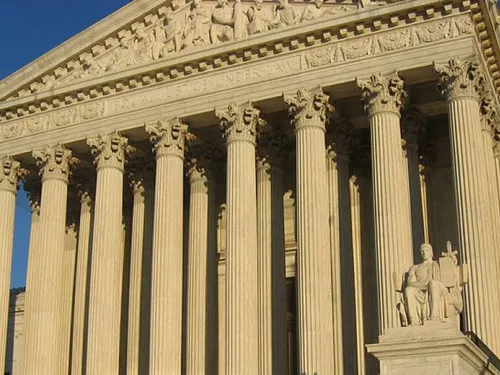
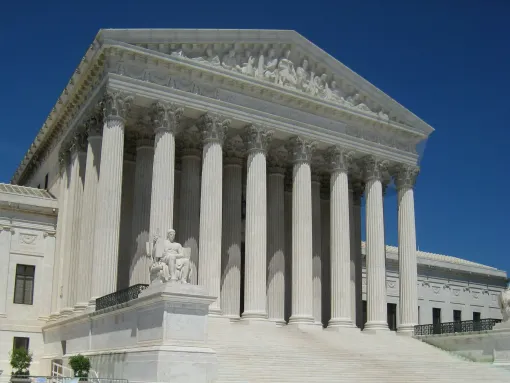
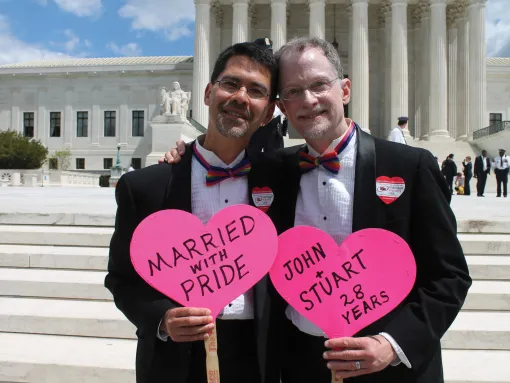
GRADE LEVEL: High School What Were the Multiple Perspectives of the Justices of the U.S. Supreme Court Based on During the Repeal of DOMA?
According to the Supreme Court Decision, Who Has the Right to Marry?
What Assurances Do We Have that the Justices of the U.S. Supreme Court are Able to Be Non-partisan and Avoid Bias When Deciding a Case?
The Judicial branch of the U.S. government is headed by the Supreme Court. This court analyzes and judges cases…
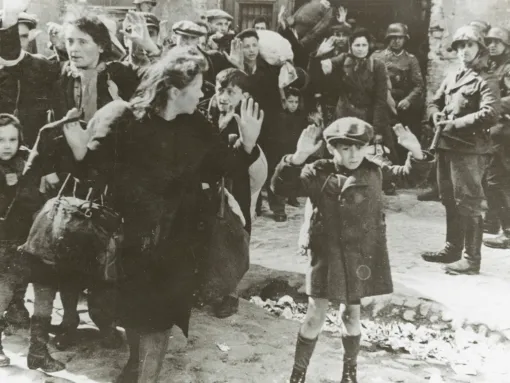
Echoes & Reflections is dedicated to reshaping the way that teachers and students understand, process and navigate the world through the events of the Holocaust. They partner with educators to help them introduce students to the complex themes of the Holocaust and to understand its lasting effect on the world. GRADE LEVEL: Middle School, High School COMMON CORE STANDARDS: Reading, Writing, Speaking and Listening This unit introduces students to the Holocaust by providing a…
Civics Lesson
GRADE LEVEL: High School What is the Difference Between a Bill and a Law?
What Bills Have Had Significant Impact on People in the United States?
Why Do Some Bills Pass into Law and Others Do Not?
In 1976, Schoolhouse Rock! released “I’m Just a Bill,” an animated video with a catchy tune that educated students around the U.S. about bills. Since then, music has changed, graphics in videos have changed but the actual process of becoming…
Civics Lesson
GRADE LEVEL: High School How Do Lobbyists Impact the Democratic Process?
What are Effective Ways of Lobbying?
How Might I Lobby for My Bill?
“Lobbying” is an effort by individuals and groups to influence government decisions and actions, and specifically the writing of laws. Lobbying can take different forms including writing letters, making phone calls to legislators and meeting with people in the administration. As student activism in…
Echoes & Reflections
GRADE LEVEL: Middle School, High School
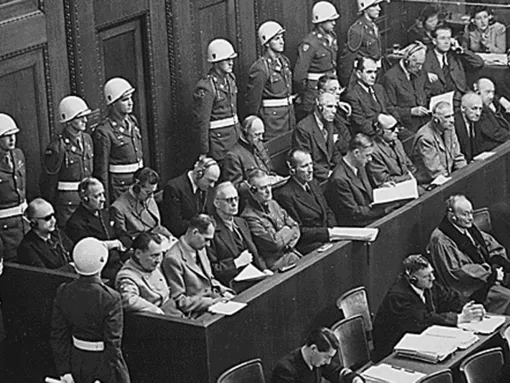
COMMON CORE STANDARDS: Reading, Writing, Speaking and Listening The purpose of this unit is for students to explore the concepts of justice, trauma, memory, memorialization, and human behavior. With a firm understanding of the events of the Holocaust, students are now tasked to understand the lasting effects the Holocaust has had on our understanding of human actions and how the way we remember the Holocaust…