





Listen to episode 3.4 to hear the hosts consider the (partial) demise of Omegle, hype COE’s Hate Symbols Database and talk with COE mis/disinformation analyst.
89 Results
Listen to episode 3.3 where we hear from two women advocating for family, taken hostage by Hamas.
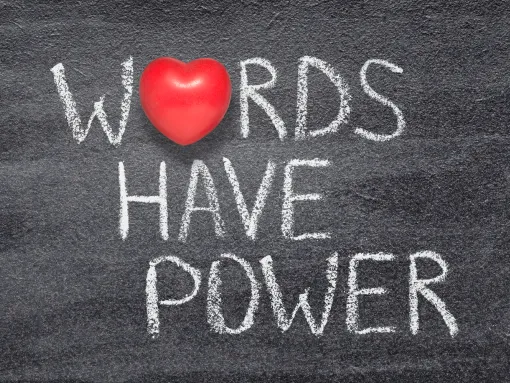
Teach students what biased language is and help them reflect on the reasons why people use it and how they can address and challenge biased words and language.
Listen to episode 3.2 where COE experts talk about white supremacists hijacking anti-Israel rhetoric and the spike in antisemitic incidents since the Israel-Hamas war.
Listen to episode 3.1 where COE experts talk swatting, white supremacist activity, and speak with author Michael Rothschild.
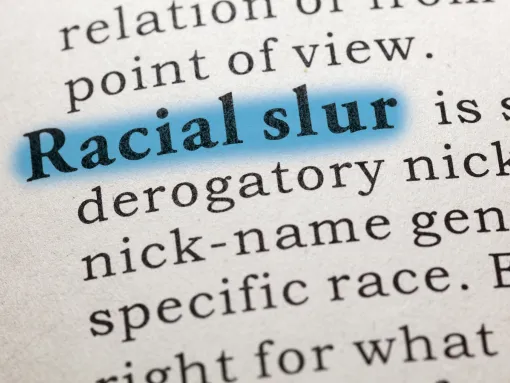
Teach students about the history of the N-word, its harm and impact and engage them in exploring school-based scenarios.
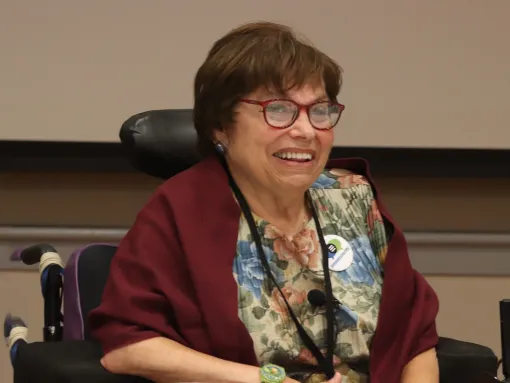
Teach students about disability rights activist Judy Heumann and what work in schools and communities still remains.

Use these activities to bring the history, culture and experience of the Jewish people and community to your classroom.

Teach students about the importance and power of symbols and explore with them how hate symbols can cause harm to individuals and society.
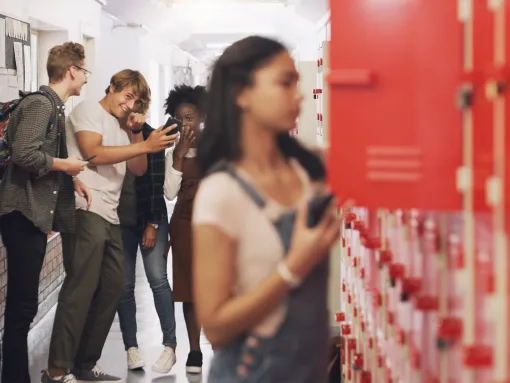
Teach students about what gossip and rumors are and the impact they have on others, especially those identity groups which may be more vulnerable to and marginalized by rumors and gossip.

Teach students about what disability means, and the tools and accommodations that people with disabilities need.

Teach students about the difference between intent and impact and why it matters.

Teach students about Bellen Woodard, how she became a "crayon activist," and how they can change something they think is unjust.

Use these activities to bring the history, culture and experience of the AAPI (Asian American Pacific Islander) people and community to your classroom.

Use the short evocative videos and films in this lesson plan to engage young people in conversations about identity, diversity, bias and social justice.

Teach students about the CROWN Act, the need for the bill and have them reflect on real-life examples of hair discrimination.
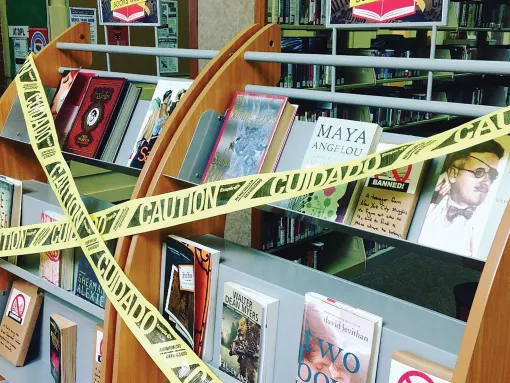
GRADE LEVEL: Middle School
COMMON CORE STANDARDS: Reading, Speaking and Listening, Language
SEL STANDARDS*: Self-Awareness, Social Awareness, Relationship Skills, Responsible Decision-Making What are Reasons and Explanations for Challenging and Banning Books?
Challenging and banning books goes back centuries. In recent times, children’s and young adult books have been challenged and banned. The reasons and explanations are many and varied and include profanity, “values,…
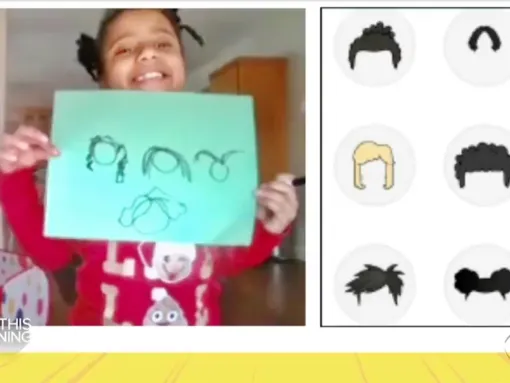
GRADE LEVEL: Elementary School
COMMON CORE STANDARDS: Reading, Writing, Speaking and Listening, Language
SEL STANDARDS*: Self-Awareness, Social Awareness, Relationship Skills, Responsible Decision-Making 7-Year-Old Morgan Bugg Advocates for More Diversity in Avatars
In April 2021, seven-year-old Morgan Bugg of Tennessee was using an educational gaming app called Freckle, which is used by more than 900,000 teachers in the U.S. This app gives students a chance to win coins while…

Civics Lesson
GRADE LEVEL: High School How is Dialogue Different than Debate?
Technology is enabling students to be increasingly aware of news and current events. Along with this increased awareness, we see more and more students becoming actively engaged in conversations around hot-button topics. While students often talk in digital spaces about current events that concern them, they also continue the conversation in person. When disagreements happen in those conversations, what…
Civics Lesson
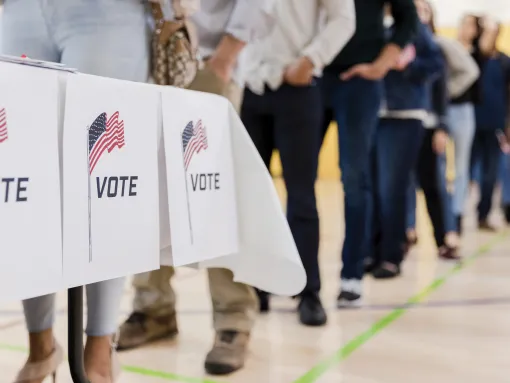
GRADE LEVEL: High School What Needs to Change to Increase Voter Turnout?
After every election, regardless of the outcome, people wonder how many people showed up at the polls to vote. The number is never as high as people would like, especially during midterm elections. In the 2016 Presidential election, 60.1% of the population eligible to vote showed up to the polls. During the midterm elections in 2018, only 50.3% of those eligible voted. While thousands of dollars…