





Early Childhood Question Corner For Educators | For Parents, Families, and Caregivers The foundation for gender identity formation gets established during the preschool years (Derman-Sparks and Edwards, 2010, 91). By age three, although most children can identify their gender, they are still sorting out the concept of gender (Roberts and Hill, 2003). “The support they get or do not get in their preschool years lays the foundation for the rest of their gender identity formation,”…
170 Results
For Educators | For Parents, Families, and Caregivers Most people love a celebration! Adults flutter around busily preparing for the festivities. Children are abuzz with excitement. Special foods are eaten, special heirlooms brought down from the shelf. Traditions are passed down from generation to generation. While children should have an opportunity to learn about and share information about the important holidays and celebrations in their lives, celebrating specific holidays in a school or…

In recent years, we have seen alarming images and biased language in schools and universities: name-calling, hate-filled taunts, vandalism, racial slurs and epithets, offensive graffiti on desks and bathroom walls. In addition, many young people—especially those whose identities have been targeted publicly with words and actions—are fearful and worried. Teachers have had to work overtime to console those students and provide resources to get help. Schools must be places where…
Early Childhood Question Corner For Educators | For Parents, Families, and Caregivers You can help children embrace differences by exposing them to diversity as early as possible. This can be a natural part of everyday living as children develop relationships outside their family. Answer children’s questions about differences openly and honestly as they come up, and if you don't know the answers, seek them out. Another way to ensure diversity in children’s lives is to…
Early Childhood Question Corner For Educators | For Parents, Families, and Caregivers Incorporating family members into early childhood program’s anti-bias efforts is integral to its success. When children see their teachers value their families’ lives, they develop pride. They also have an opportunity to learn about other children’s families and the diversity inherent in them. Family members can be from various racial and ethnic backgrounds, speak multiple languages and…
Table Talk: Family Conversations About Current Events For Parents, Families, and Caregivers | 12 and UpNote to Parents/Family Members
Because this topic deals with online hate—which young people may see, observe or experience—it is important that you talk with your child about safety and responsibility in their digital lives. You may want to review and consult our Navigating a Digital World: Tips for Youth, which includes suggestions for rule setting, limitations, privacy,…
A Guide for Counselors and Camp Administrators For Educators | For Parents, Families, and Caregivers Summer camp is a wonderful time in children’s lives when they get to spend time outdoors, meet new people, have novel experiences and gain insight into themselves. There are about 12,000 day and resident camps in the U.S. and each year more than 11 million children and adults attend camp. According to an American Camp Association (ACA) report, parents cite the following reasons as the…
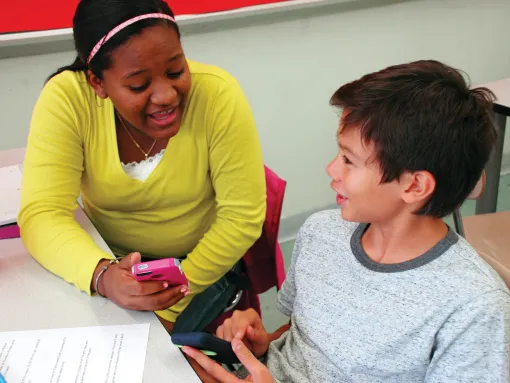
For Educators | For Parents, Families, and Caregivers | For Students Here are some simple things you can do to be an ally to targets of name-calling and bullying. And remember—always think about your safety first when deciding the best way to respond. 1. Support targets, whether you know them or not.Show compassion and encouragement to those who are the targets of bullying behavior by asking if they’re okay, going with them to get help and letting them know you are there for them…
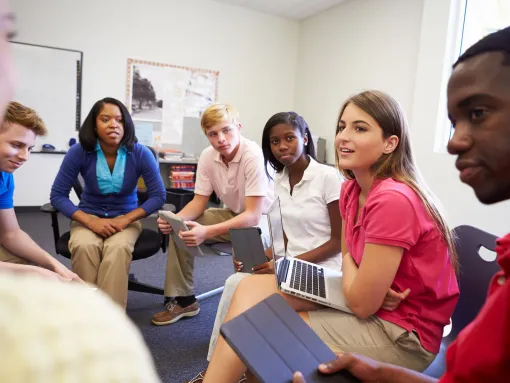
Young people are exposed to discussions of extremism every day through social media, news and overheard conversations between adults. As an educators, the topic can be challenging to teach because the situation is always changing and evolving and worse--classroom conversations can themselves lead to stereotyping, bias and bigotry when discussing perpetrators, targets and victims. The following resources will help you teach about extremism while ensuring that the…

Collection of educational resources for teaching about Black History Month

Table Talk: Family Conversations About Current Events
For Parents, Families, and Caregivers | 12 and up Talking with Children about Gun Violence
The issue of gun violence and mass shootings is in the news frequently. Young people are usually aware of what is happening and will want to talk about it. However, it is a sensitive, scary, and potentially painful topic. Before raising the matter with young people, consider your child’s personality. To what extent will the…

Para fomentar escuelas y aulas respetuosas, inclusivas y equitativas, es importante reconocer la lengua que hablan los alumnos y sus familias. Esas lenguas reflejan y afirman su origen étnico, su cultura y su herencia. Según datos recientes del Censo, 63,7 millones de personas (o el 19,1% del total de la población) que viven en Estados Unidos se identifican como hispanos/latinoamericanos. Además, la mayoría de los hispanos (75%) afirman ser capaces de…
Advocating to Elected Officials
Advocating to the Media
Advocating on Campus

For Educators Because discussions of race and racism are part of our public discourse, educators feel a sense of responsibility to bring these topics into their classrooms—because young people want to be part of the conversation and should be. If handled effectively, these discussions provide opportunities for timely learning. Below are suggestions and strategies for having classroom conversations with young people about race and racism. Prior to these discussions and…
Most Americans’ perceptions of the Middle East conflict come from the mass media. Some media – especially large-circulation daily newspapers, network television and wire services – have correspondents based in Israel and continue to devote considerable attention to the Mideast. This is not surprising considering the intensive U.S.involvement in the peace process, America’s substantial interests in the region, and the continuing strong ties between the U…
Early Childhood Question Corner For Educators | For Parents, Families, and Caregivers Young children can be blunt and direct as they notice and talk about the differences they notice among people. That can sometimes make their parent or caregiver feel uncomfortable, especially in public settings. Remember that young children’s initial observations about difference do not intend to be hurtful. Instead, it shows their developing curiosity and awareness of the diversity in the world in…
Early Childhood Question Corner For Educators | For Parents, Families, and Caregivers There is no need to wait until children ask questions about differences to begin conversations. However, these discussions will have the greatest impact when they follow from children’s interests, and when they are appropriate in length, frequency and content relative to children’s intellectual and emotional capacity. Louise Derman-Sparks (1989) writes that awareness of, and talking about,…
Early Childhood Question Corner For Educators | For Parents, Families, and Caregivers Many adults think that talking with children about our differences teaches prejudice. In Anti-Bias Curriculum, Louise Derman-Sparks (1989) debunks that myth and writes that talking about differences does not increase prejudice in children. Whether or not adults discuss differences with children, all children begin to notice differences among people as part of their natural development. It is the messages…
Early Childhood Question Corner For Educators | For Parents, Families, and Caregivers Although children are not born with prejudice, by early childhood they have already acquired stereotypes or negative attitudes toward those that they perceive as “others.” An article in The Buffalo News reports that about 85 percent of the brain develops between ages 3 and 5, and that impressions and ideas formed between ages 2 and 4 are lasting (Lessons in Respect, 2003). Researchers tracking the…

Early Childhood Question Corner
Common themes appear in holidays and celebrations across many cultures. By connecting themes, as suggested in the Question Corner installment "How can I plan inclusive holiday celebrations?" you can show children that holidays and celebrations are an expression of cultural and religious pride, and help them understand the commonality of certain human feelings, celebrations and their meaning. For example, by trying the following activity, Looking…