Table Talk: Family Conversations About Current Events
For Parents, Families, and Caregivers | 12 and up Talking with Children about Gun Violence
The issue of gun violence and mass shootings is in the news frequently. Young people are usually aware of what is happening and will want to talk about it. However, it is a sensitive, scary, and potentially painful topic. Before raising the matter with young people, consider your child’s personality. To what extent will the…
Para fomentar escuelas y aulas respetuosas, inclusivas y equitativas, es importante reconocer la lengua que hablan los alumnos y sus familias. Esas lenguas reflejan y afirman su origen étnico, su cultura y su herencia. Según datos recientes del Censo, 63,7 millones de personas (o el 19,1% del total de la población) que viven en Estados Unidos se identifican como hispanos/latinoamericanos. Además, la mayoría de los hispanos (75%) afirman ser capaces de…
GRADE LEVEL: High School
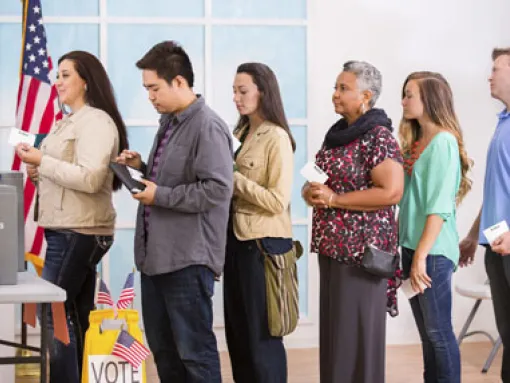
COMMON CORE STANDARDS: Reading, Writing, Speaking and Listening Racial Discrimination and Safeguarding the Right to Vote In August 2015, we commemorated the 50th anniversary of the Voting Rights Act which was signed into law by President Lyndon Johnson in 1965. The Voting Rights Act is landmark federal legislation that was enacted during the Civil Rights Movement and was intended to prevent racial discrimination in voting. Prior to that, even though Black…
Race Talk: Engaging Young People in Conversations about Race and Racism
Tools and Strategies
For Educators Because discussions of race and racism are part of our public discourse, educators feel a sense of responsibility to bring these topics into their classrooms—because young people want to be part of the conversation and should be. If handled effectively, these discussions provide opportunities for timely learning. Below are suggestions and strategies for having classroom conversations with young people about race and racism. Prior to these discussions and…
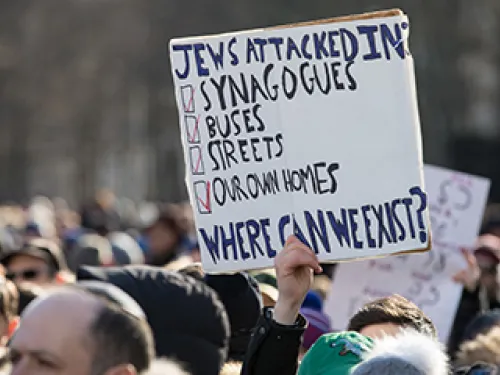
Most Americans’ perceptions of the Middle East conflict come from the mass media. Some media – especially large-circulation daily newspapers, network television and wire services – have correspondents based in Israel and continue to devote considerable attention to the Mideast. This is not surprising considering the intensive U.S.involvement in the peace process, America’s substantial interests in the region, and the continuing strong ties between the U…
How Should I Respond When Children Notice Differences in Others?
Tools and Strategies
Early Childhood Question Corner For Educators | For Parents, Families, and Caregivers Young children can be blunt and direct as they notice and talk about the differences they notice among people. That can sometimes make their parent or caregiver feel uncomfortable, especially in public settings. Remember that young children’s initial observations about difference do not intend to be hurtful. Instead, it shows their developing curiosity and awareness of the diversity in the world in…
Should I Initiate Conversations About Differences?
Tools and Strategies
Early Childhood Question Corner For Educators | For Parents, Families, and Caregivers There is no need to wait until children ask questions about differences to begin conversations. However, these discussions will have the greatest impact when they follow from children’s interests, and when they are appropriate in length, frequency and content relative to children’s intellectual and emotional capacity. Louise Derman-Sparks (1989) writes that awareness of, and talking about,…
Early Childhood Question Corner For Educators | For Parents, Families, and Caregivers Many adults think that talking with children about our differences teaches prejudice. In Anti-Bias Curriculum, Louise Derman-Sparks (1989) debunks that myth and writes that talking about differences does not increase prejudice in children. Whether or not adults discuss differences with children, all children begin to notice differences among people as part of their natural development. It is the messages…
Why Is It Important to Teach Young Children to Appreciate Diversity?
Tools and Strategies
Early Childhood Question Corner For Educators | For Parents, Families, and Caregivers Although children are not born with prejudice, by early childhood they have already acquired stereotypes or negative attitudes toward those that they perceive as “others.” An article in The Buffalo News reports that about 85 percent of the brain develops between ages 3 and 5, and that impressions and ideas formed between ages 2 and 4 are lasting (Lessons in Respect, 2003). Researchers tracking the…
How Can “Looking at Lights” Promote Respect Among Children for Various Holidays, Celebrations and Traditions?
Tools and Strategies
Early Childhood Question Corner
Common themes appear in holidays and celebrations across many cultures. By connecting themes, as suggested in the Question Corner installment "How can I plan inclusive holiday celebrations?" you can show children that holidays and celebrations are an expression of cultural and religious pride, and help them understand the commonality of certain human feelings, celebrations and their meaning. For example, by trying the following activity, Looking…
Early Childhood Question Corner For Educators | For Parents, Families, and Caregivers In Teacher they called me a ____!, Dr. Debra A. Byrnes defines prejudice as preconceived ideas about people “perceived as being different, due to race, religion, culture, gender, disabilities, appearance, language, sexual orientation, or social status” (1995, 3). She explains that a large body of research (Brown,1972; Byrnes & Kiger, 1992; Milner, 1975; Williams & Orland, 1976)…
How Can Outdoor Play Increase Children’s Anti-Bias Skills?
Tools and Strategies
Early Childhood Question Corner For Educators | For Parents, Families, and Caregivers Children’s outdoor play offers many opportunities to teach and reinforce anti-bias behavior. To get you started, incorporate some of the below tips excerpted from Bias-Free Foundations: Early Childhood Activities for Educators (2005, 28): Take advantage of these opportunities by helping children to learn skills such as taking turns, sharing toys and inviting new children to play. For example,…
GRADE LEVEL: Elementary School
COMMON CORE STANDARDS: Reading, Speaking and Listening The First Girl to Pitch a Shutout in the Little League World Series
In 2014 Mo’Ne Davis, a 13-year-old girl, made news headlines as the first girl to ever pitch a shutout in the Little League World series. At that time she was considered the “most talked about baseball player on earth right now” according to many observers in the sports world. Mo’Ne (pronounced Moh-nay…
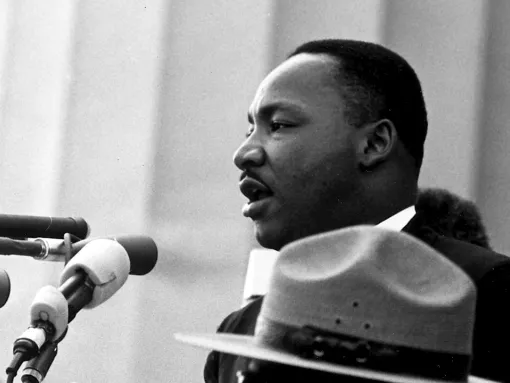
Martin Luther King, Jr. and Civil Rights: Relevancy for Today
Lesson Plan
GRADE LEVEL: Elementary School, Middle School, High School
COMMON CORE STANDARDS: Reading, Writing, Speaking and Listening, History/Social Studies In commemoration of Martin Luther King, Jr. Day, this curriculum for grades 3–12 provides grade-specific lessons, resources and extension activities to provide your students opportunities to examine civil rights in the United States past and present. The lessons provide an opportunity for students to delve deeper into Martin Luther King Jr…
Early Childhood Question Corner For Educators | For Parents, Families, and Caregivers The early childhood program environment should look and feel welcoming for all children and should reflect the diverse world in which we live. In addition to being bright, colorful, safe and clean, it should include children’s artwork and show the diversity of the world through the program’s abundant supply of age-appropriate toys, dolls, books, magazines , pictures and musical instruments…
Winter Holidays: December Dilemma or Teaching Opportunity?
Tools and Strategies
For Educators | For Parents, Families, and Caregivers Winter is a festive time of year because so many holidays are celebrated by people from different religions, cultures and races. We spend time with family and friends, connect with our faith or culture, give and receive gifts and enjoy special foods and treats. However, this time of year—especially in schools and whether it's in-person, online or hybrid—can be a time where some children can feel uncomfortable, excluded, insulted…