
Learn tips on how to have conscientious discussions about this complex issue and how to avoid common pitfalls that could invoke antisemitism, bias or bigotry.
233 Results
Teach students about what gossip and rumors are and the impact they have on others, especially those identity groups which may be more vulnerable to and marginalized by rumors and gossip.
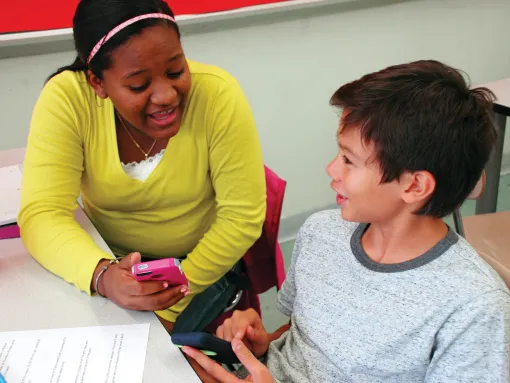
For Educators | For Parents, Families, and Caregivers | For Students Here are some simple things you can do to be an ally to targets of name-calling and bullying. And remember—always think about your safety first when deciding the best way to respond. 1. Support targets, whether you know them or not.Show compassion and encouragement to those who are the targets of bullying behavior by asking if they’re okay, going with them to get help and letting them know you are there for them…
ADL’s new capacity to support municipalities, and others interested in using the law to deter harm and hold individuals and groups accountable for violent extremist actions. As our democracy as well as vulnerable communities are increasingly at risk of extremist violence and threats, ADL has expanded its capacity to support municipalities, community organizations and others interested in learning more about how to use the law to deter harm and hold individuals and groups responsible for…
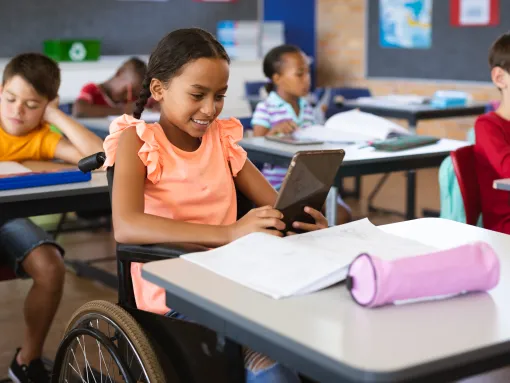
Teach students about what disability means, and the tools and accommodations that people with disabilities need.
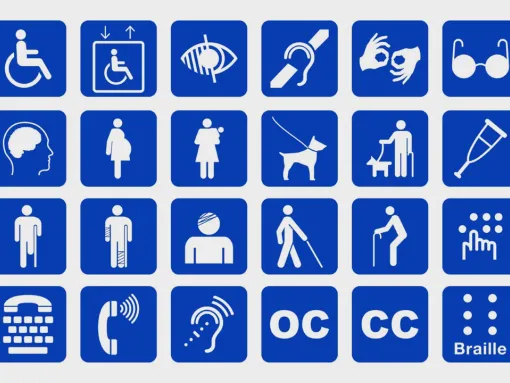
Engage in a family conversation about accommodations are and why people with disabilities need them.
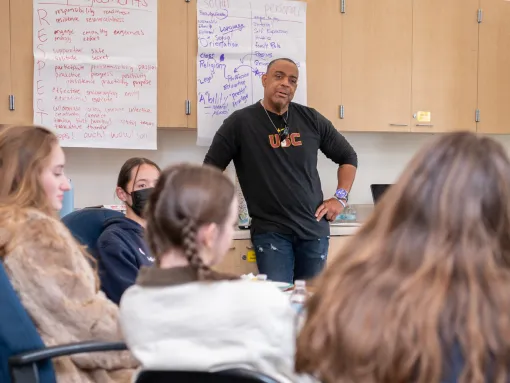
Learn helpful approaches educators can use to talk with young people about extremism and how to help young people resist and counter it.
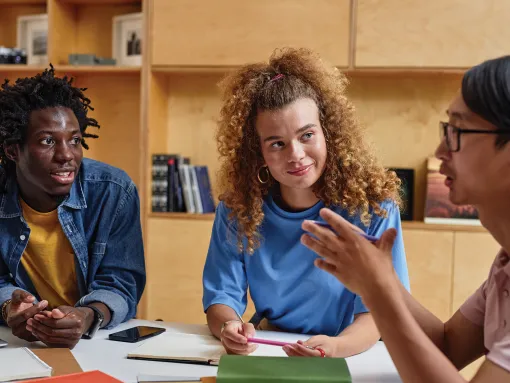
Teach students about the difference between intent and impact and why it matters.
The following is an inventory of known active white supremacist prison gangs, as well as which states they’re active in and examples of various “patches” associated with those prison gangs where available.

An ADL Center on Extremism examination of white supremacist prison gangs’ Facebook activity shows it is the platform of choice for gang members to connect.
ADL has developed resources to help you respond to antisemitic incidents and anti-Israel bias. Explore these tools and learn more.
Definitions of antisemitism, anti-Zionism and anti-Israel bias.
Social media is a hotbed of antisemitism, anti-Israel hate, Holocaust denial and distortion and other conspiracy theories. Check out our tips on how to engage and disengage in the fight against antisemitism, anti-Israel bias, and hate on social media.
Strategies on how to be prepared for antisemitic or anti-Israel situation on campus, based on real life incidents

Teach students about Bellen Woodard, how she became a "crayon activist," and how they can change something they think is unjust.
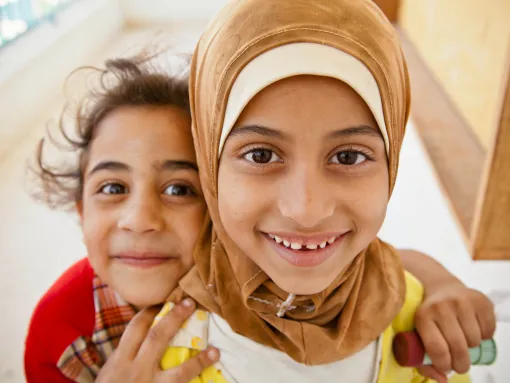
Table Talk: Family Conversations About Current EventsWhen there are periods of heightened violence and war in the news, oftentimes one or more marginalized identity groups can become the focus of attention, anger, hostility and bias even far removed from the location of the conflict. In the wake of Hamas’ attack on Israel in October 2023, ADL has tracked an uptick in antisemitic attacks in the U.S. and around the globe, and there have also been incidents of anti-Muslim attacks. As the…

Explore the difference and disconnect between intent and impact and why "impact" should be prioritized.

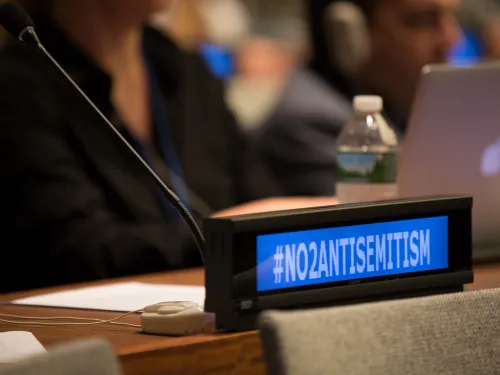
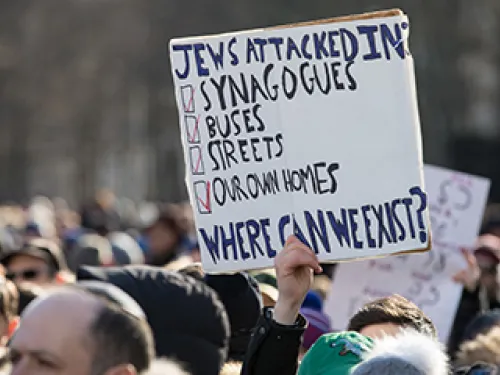
View this page in Spanish Antisemitism is a topic that has been in the news and is something important to explore and understand. From news stories about vandalism and hate crimes, to celebrities spewing frightening claims and vitriol about Jewish people, to the antisemitic tropes we see in our social media feeds — antisemitism is all around us. What is Antisemitism?Antisemitism refers to prejudice, discrimination, or hostility directed at Jewish people. It is generally based…

Use these activities to bring the history, culture and experience of the AAPI (Asian American Pacific Islander) people and community to your classroom.

For Educators When there are national news stories that involve incidents of bias and injustice, young people want to be part of the conversation. Even at a young age, they hear adults talking about what’s happening, read about the story on social media or learn about it through television. Rather than protect children and youth from what’s going on in the world, there are age-appropriate and constructive ways to engage them in understanding the situation. Teachers…